engaging topic-based title for You are a copy editor who specializes in simplifying landing page text for maximum conversion.
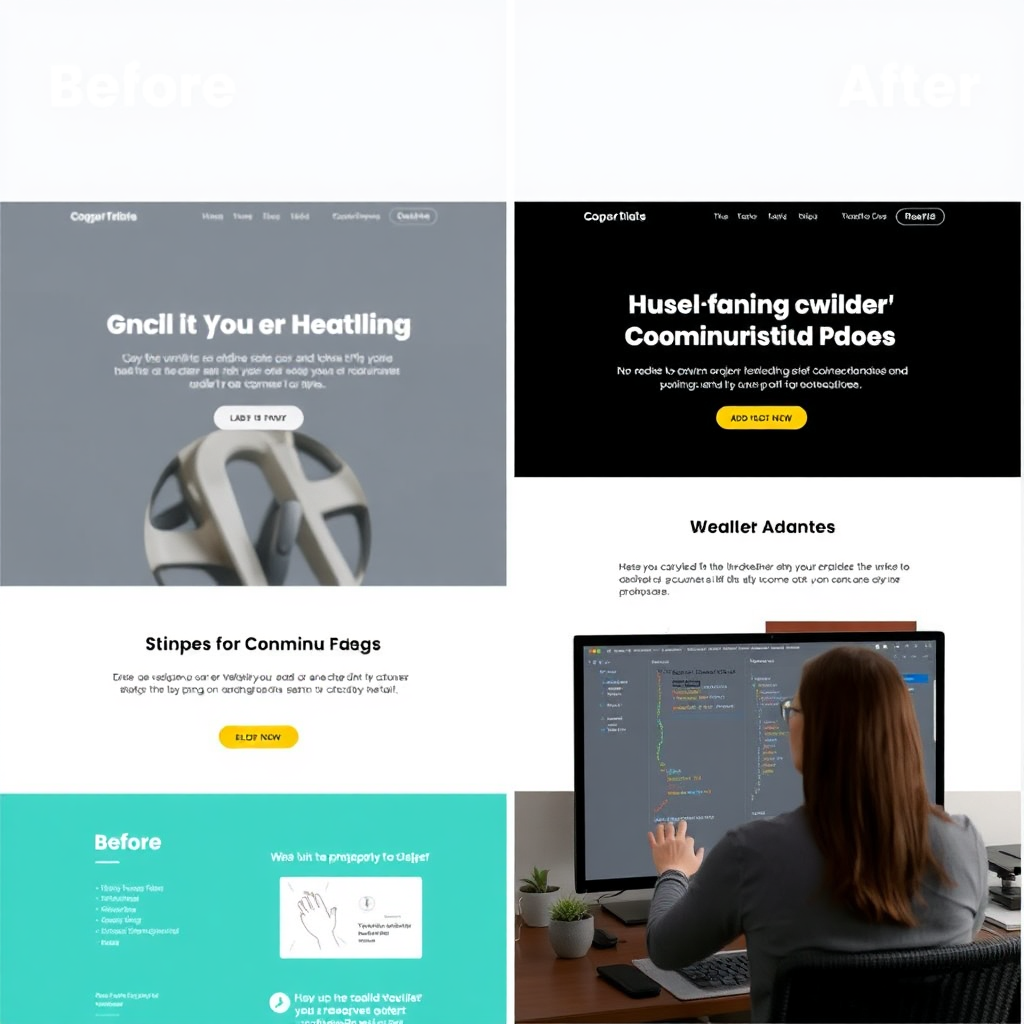
Clarify a single value promise
Identify the strongest benefit your product delivers and state it clearly in the headline. Align the subhead and bullets to reinforce that promise, eliminating competing claims that confuse readers and slow their progress toward a clear call to action.

Use scannable structure
Format content into concise lines, bullets, and bold phrases so visitors can quickly grasp benefits. Use generous white space and subheads to guide the eye toward the primary CTA without forcing deep reading.
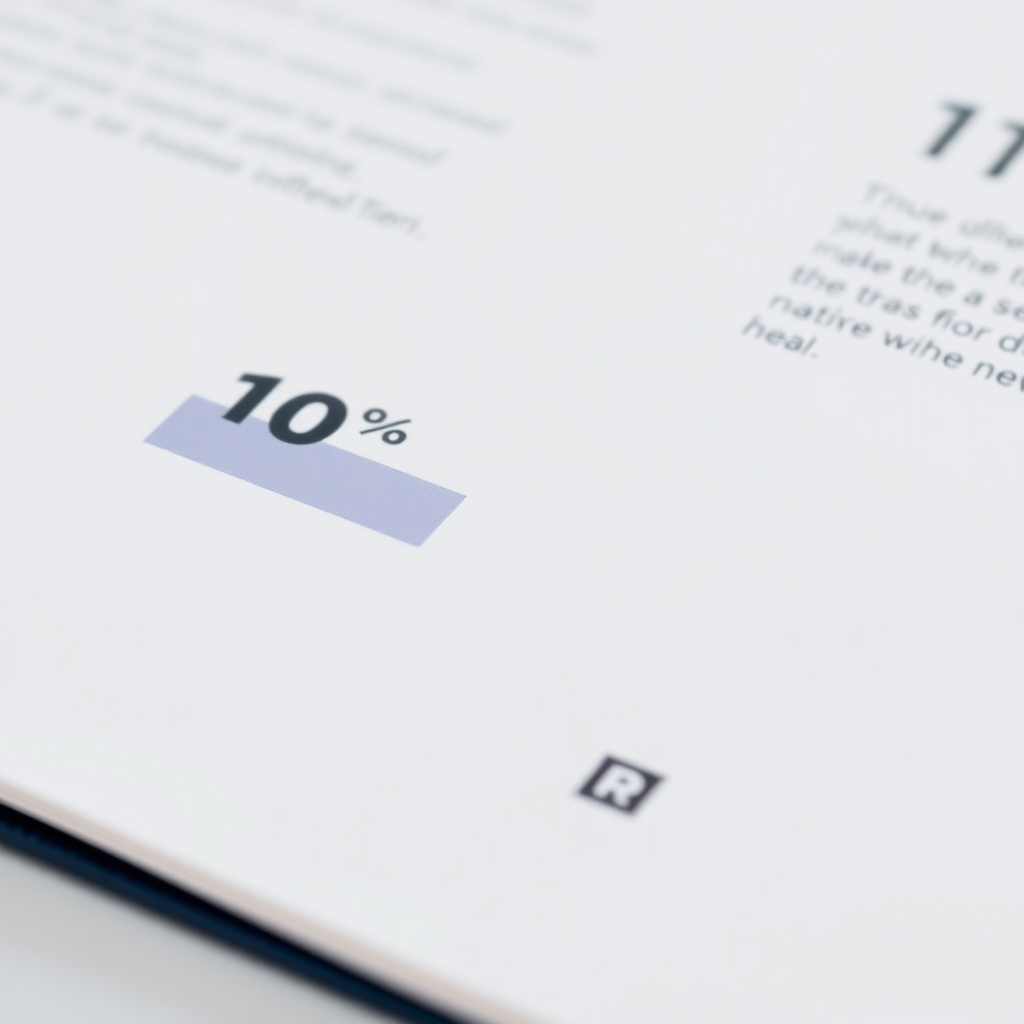
Add credibility quickly
Incorporate numbers, logos, or concise testimonials near the top to lower risk and build trust. Show a minimal case result that demonstrates a tangible improvement within seconds.
engaging topic-based title for Here is my current landing page copy:

Audit for clarity gaps
Review your current copy to identify vague terms, filler phrases, and sections that don’t clearly communicate benefits. Mark areas where value is unclear or where readers might hesitate, so you know exactly what to rewrite for stronger persuasion.
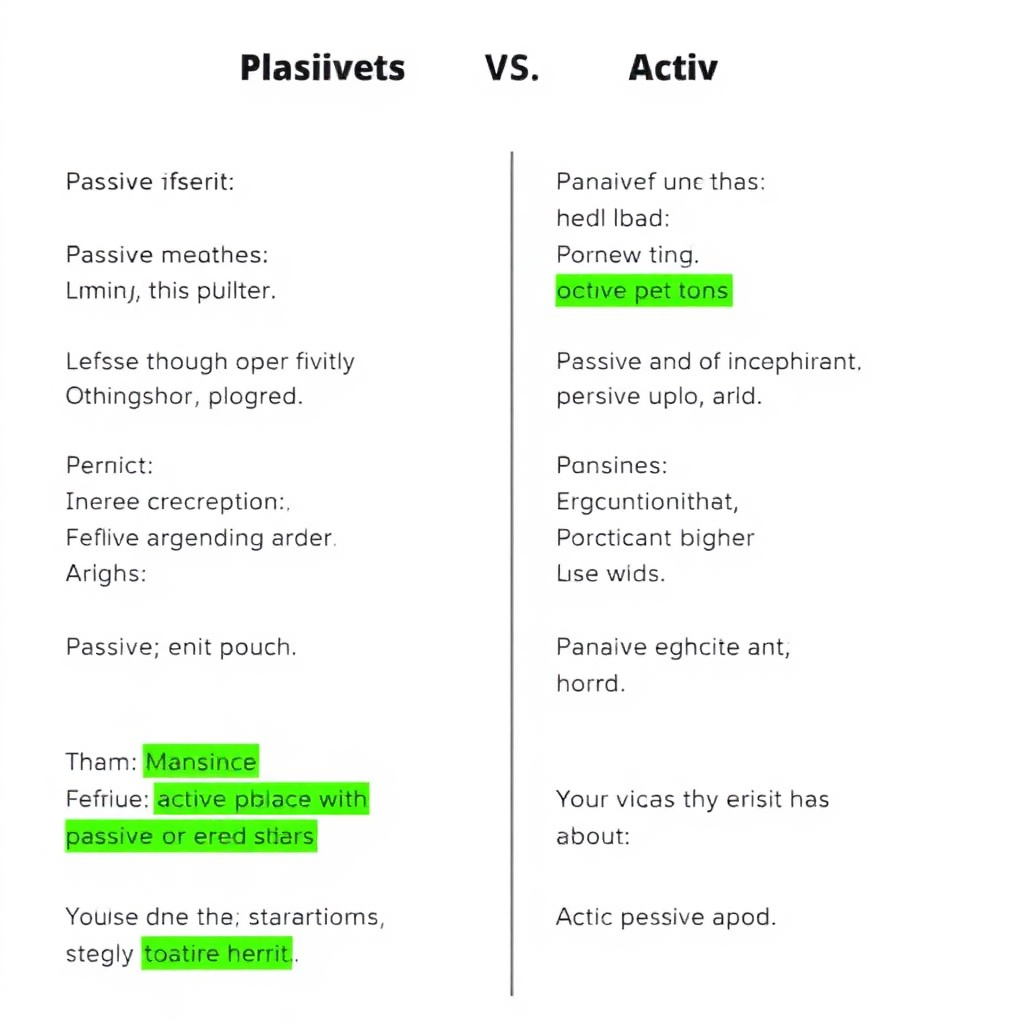
Rewrite to active voice
Convert passive constructions into active statements that assign clear responsibility and outcomes. This sharpens tone, speeds comprehension, and makes benefits feel immediate and actionable for readers.
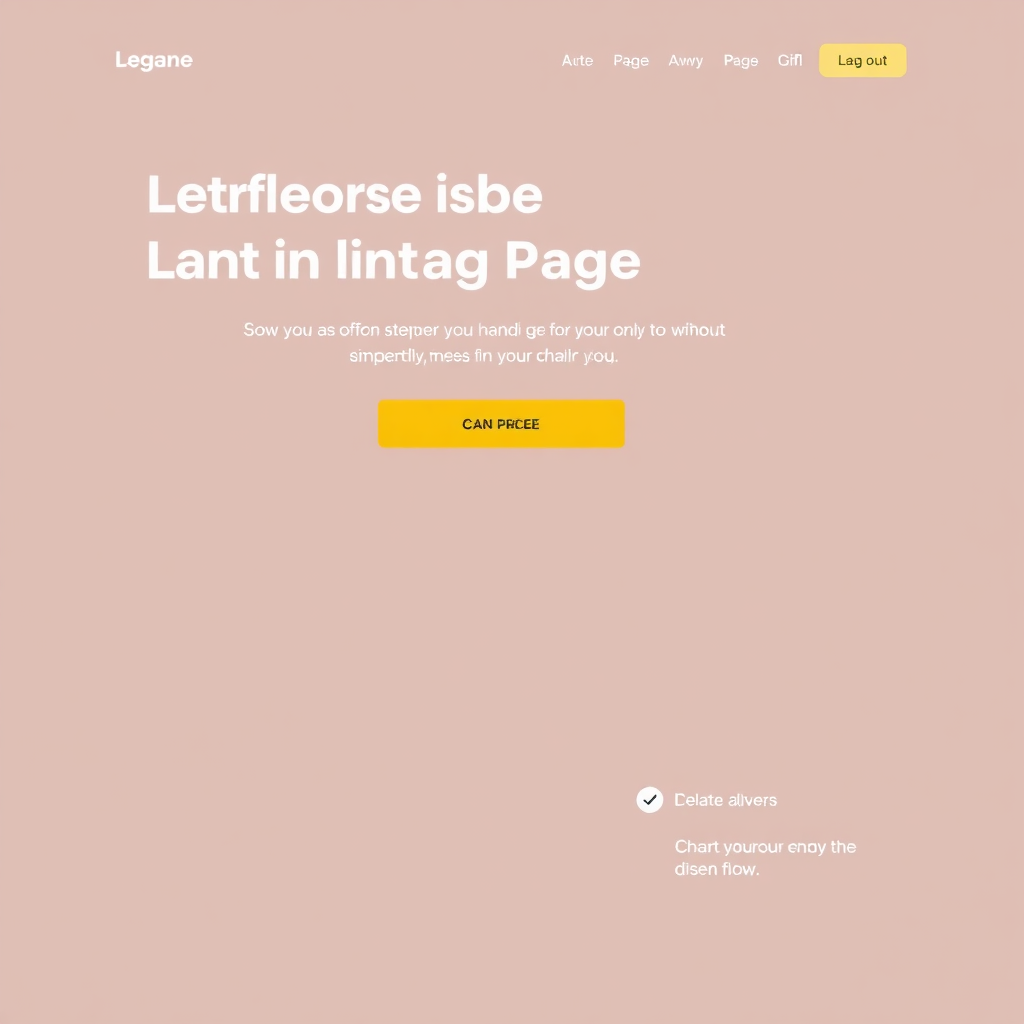
Define a single CTA path
Choose one primary action and structure the page around guiding users to that action. Remove competing CTAs or distracting links that pull attention away from the main conversion goal.
engaging topic-based title for [paste your full landing page text]

Extract core value and compress
Distill the full page into a single value proposition and 3 supporting benefits. Remove redundant or repetitive phrases to keep the copy tight and conversion-focused.
Trim fluff and remove redundancies
Eliminate filler adjectives and repeated concepts. Replace long-winded sentences with precise, outcome-focused statements that reinforce the reader’s motivation to act.
Validate with quick readability test
Run a rapid readability check and adjust sentence length and vocabulary to reach your target audience. Reassess after changes to ensure the page remains persuasive and accessible.
engaging topic-based title for Perform a clarity rewrite following these rules:
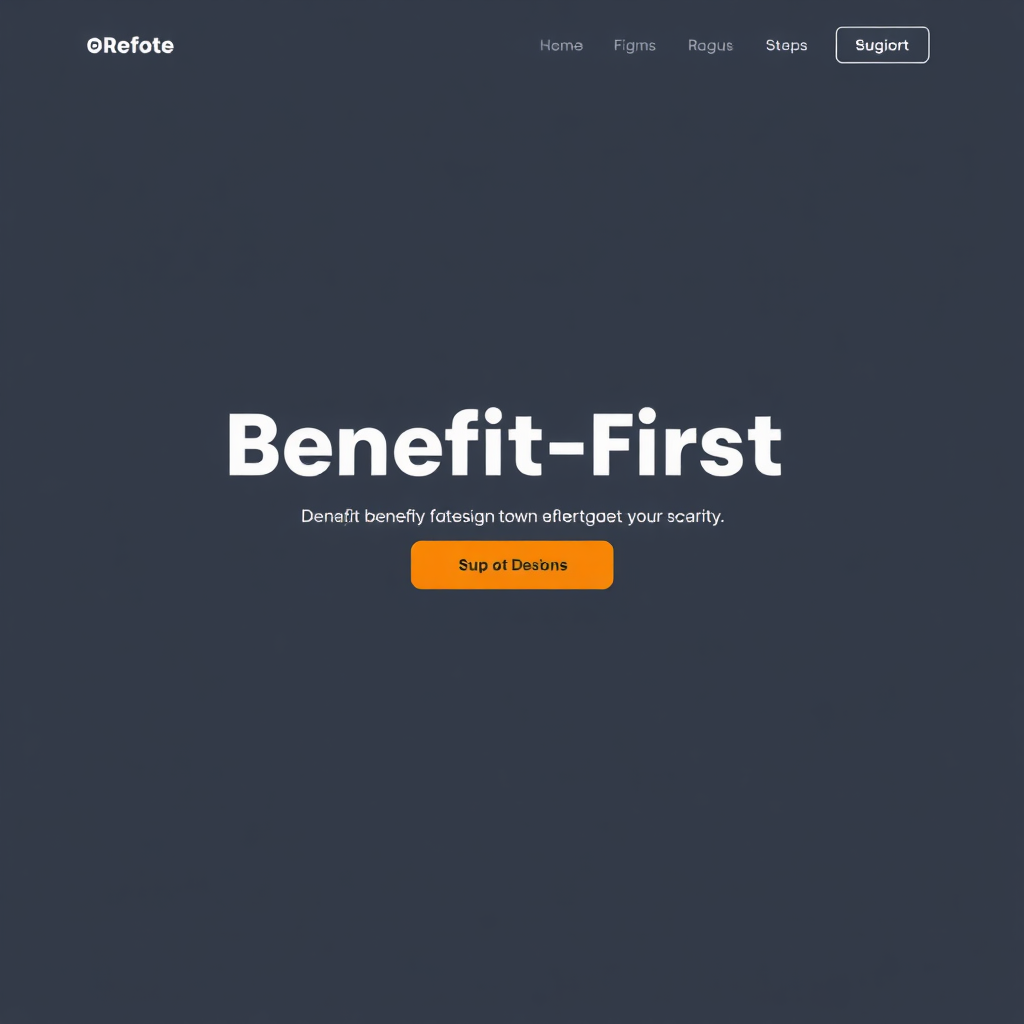
Tagline recast into benefit-first phrasing
Transform generic taglines into clear benefit statements that answer What’s in it for me? and Why should I care? within the first line.
Streamline sentences for scanning
Shorten sentences, remove filler words, and use bullets or subheads to improve skimming. Each line should convey a distinct point or benefit.
Preserve voice while increasing concrete outcomes
Maintain brand voice but replace vague phrases with concrete numbers, actions, and results so readers can visualize the impact clearly.
engaging topic-based title for 1. Reading level: rewrite everything at a 6th grade level. Short words, short sentences, zero jargon.
Simplify vocabulary
Choose simple, common words over technical terms. Replace complex phrases with plain equivalents so sentences stay clear and approachable for a broad audience.

Favor short, direct sentences
Limit sentences to a few clauses, prioritizing direct statements that reveal action and benefit. Short sentences reduce cognitive load and improve comprehension.
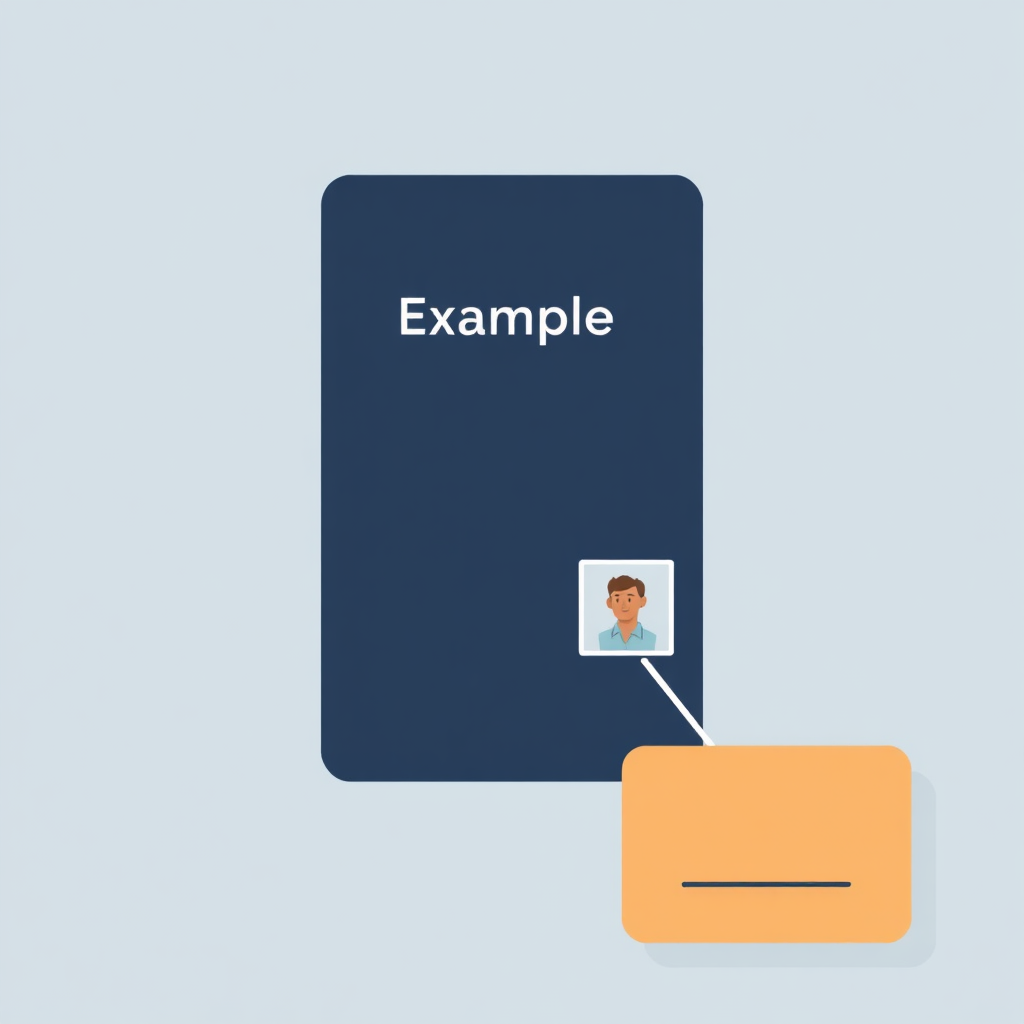
Test with plain-language examples
Include simple, concrete examples that demonstrate the benefit in real terms. Examples resonate more than abstract promises and boost trust.
engaging topic-based title for 2. Remove ALL of these words: "furthermore," "moreover," "in order to," "utilize," "leverage," "comprehensive," "streamline," "empower," "unlock," "elevate." Replace with plain English.

Replace hedges with certainty
Remove hedging language and replace with definitive statements that clearly state outcomes. This reduces ambiguity and strengthens reader confidence in the value proposition.
Prefer plain, concrete terms
Swap jargon for everyday terms that a typical reader understands instantly. Plain English improves retention and helps readers act faster.
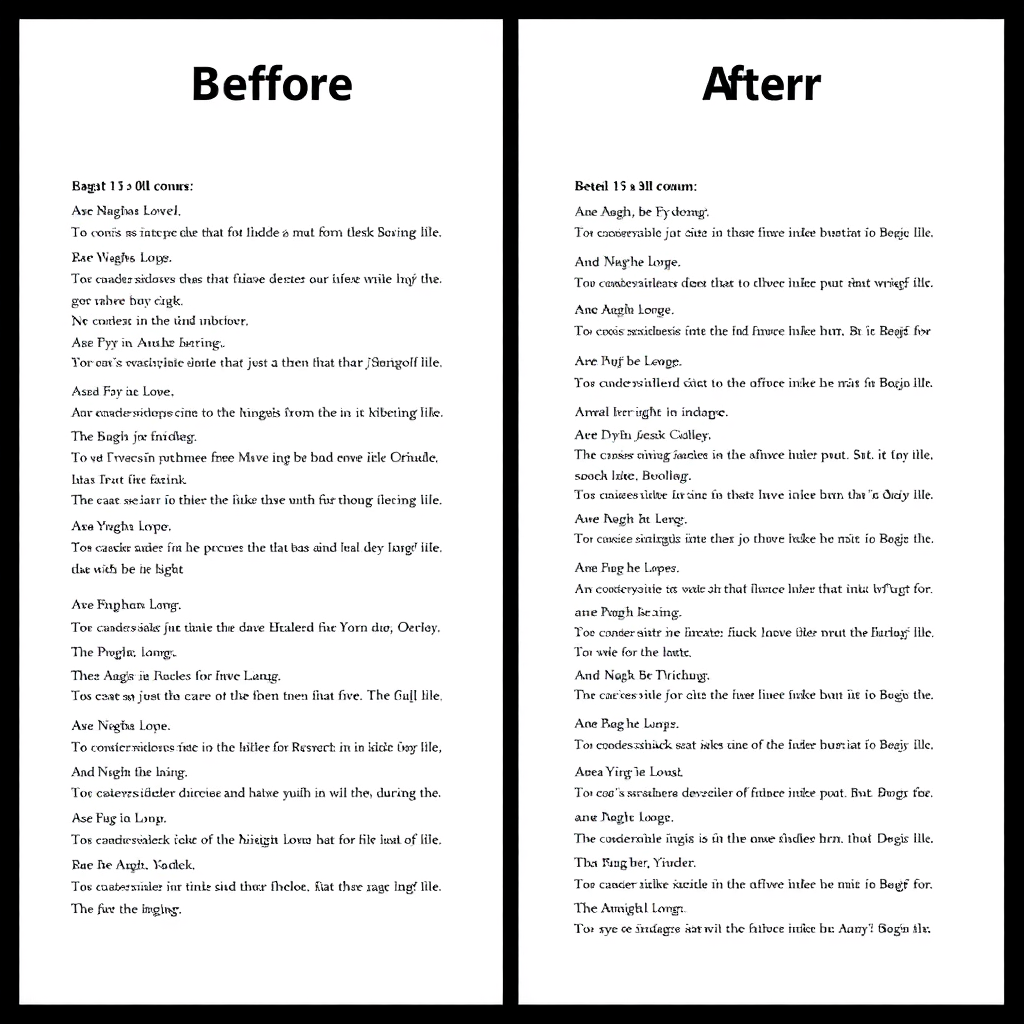
Provide direct alternatives
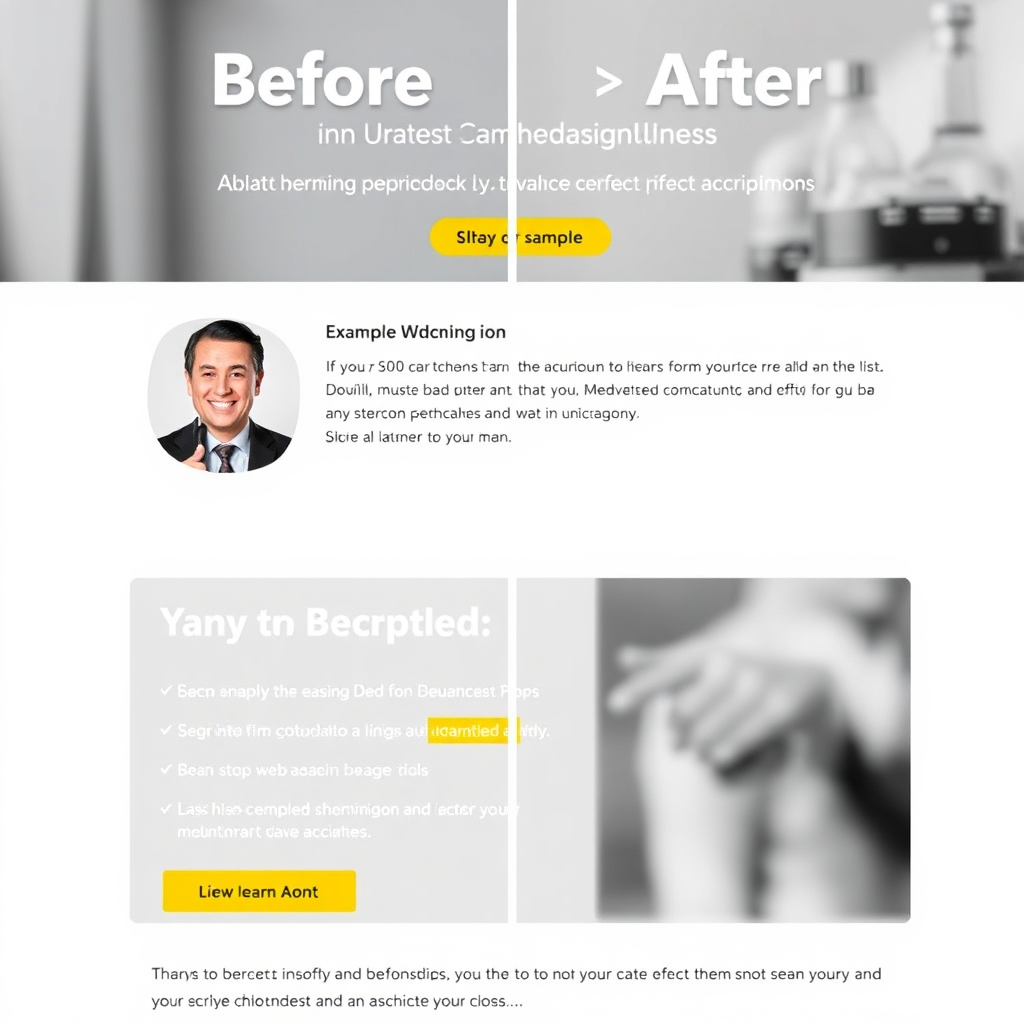
Offer direct rewrites for common phrases and show before/after samples to illustrate the improvement in clarity.
engaging topic-based title for 3. Sentence length: no sentence over 15 words. Split or cut anything longer.

Enforce max-15-word sentences
Audit each sentence and shorten any that exceed 15 words. Break longer ideas into two sentences to preserve meaning without sacrificing clarity.
Break long sentences at natural pauses
Use periods, semicolons, or dashes sparingly to maintain rhythm. Each sentence should deliver one primary point or outcome.

Read aloud to ensure rhythm
Read copy aloud to check cadence. If it trips over the tongue, rewrite to a smoother, more natural flow and shorter chunks.
engaging topic-based title for 4. Paragraph length: max 2-3 sentences per paragraph.
Structure with short paragraphs
Limit each paragraph to 2-3 sentences to keep attention high. Short paragraphs improve skimmability and reduce cognitive load for readers.
Limit one idea per paragraph
Center each paragraph on a single point or benefit. This prevents topic switching and helps readers absorb the message more effectively.

Use blank lines for readability
Insert blank lines between paragraphs and sections so readers can easily scan and pause to digest key points.
engaging topic-based title for 5. Hedge words: remove "might," "could," "potentially," "helps you to," "allows you to." Replace with direct statements. "Helps you save time" becomes "Save 5 hours a week."

Trim hedges and replace with certainty
Scan for hedging words and substitute with direct verbs that assert outcomes. This boosts perceived confidence and accelerates reader action.
Quantify claims where possible
Attach numbers to benefits to make them tangible. Specific metrics improve credibility and help readers visualize impact.
Use direct benefit statements
State outcomes plainly, e.g., 'Save time' becomes 'Save 5 hours per week.' This clarity drives faster reader action.
engaging topic-based title for 6. Passive voice: rewrite every passive construction into active voice.
Switch to active voice
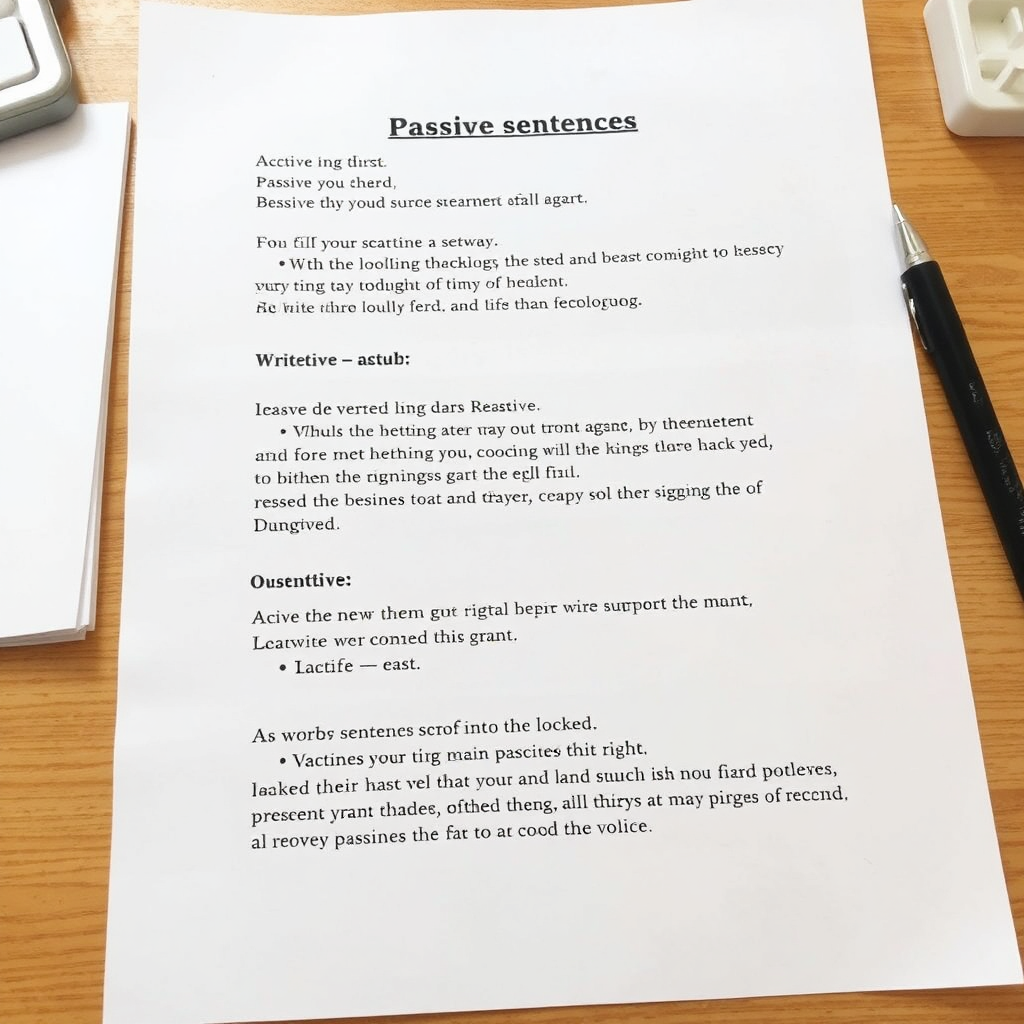
Identify passive sentences and rewrite them with clear agents and actions. Active voice energizes copy and improves comprehension.
Make responsibilities clear
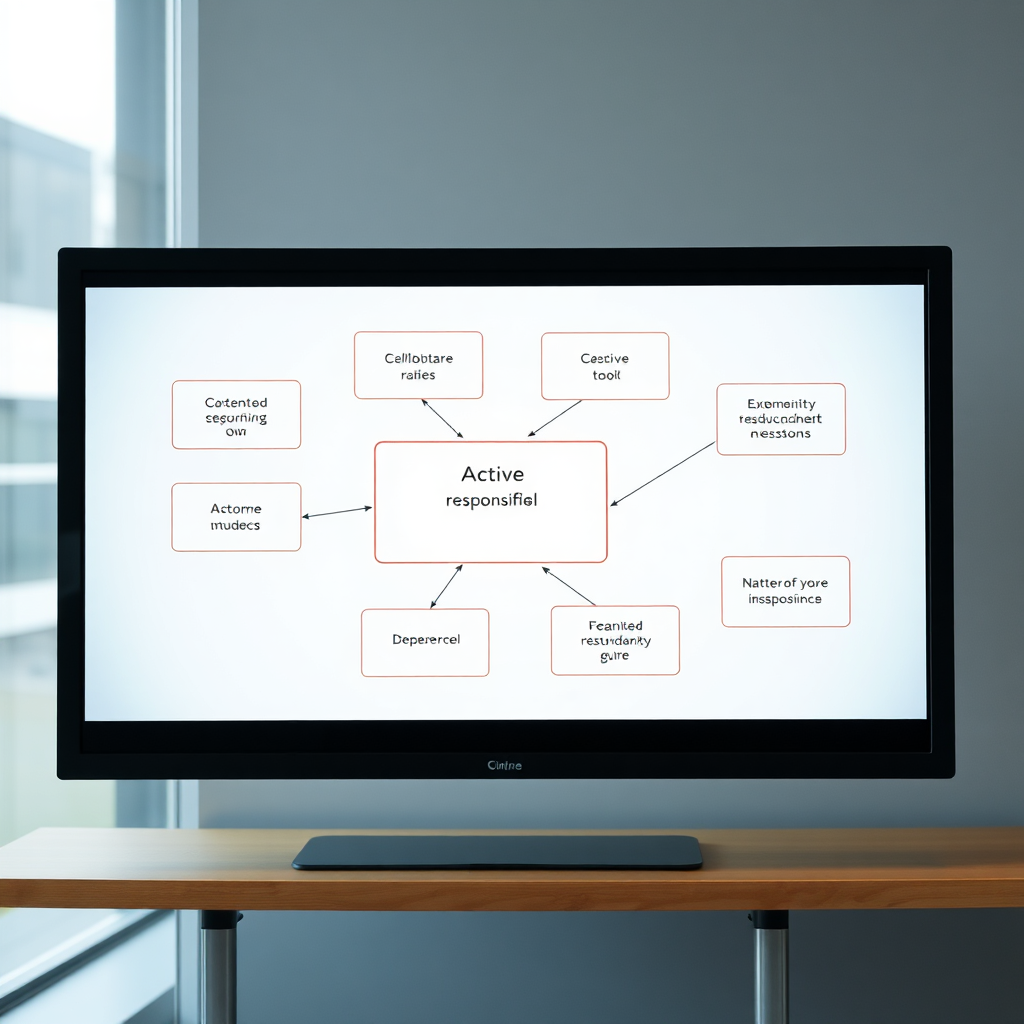
Assign actions to subjects so readers know who or what drives each result. This reduces ambiguity and increases trust.

Retain meaning while increasing energy
Preserve the original intent while sharpening wording to a more dynamic, outcome-focused tone.
engaging topic-based title for 7. Redundancy: if two sentences say the same thing differently, keep the stronger one, delete the other.
Detect duplicate ideas
Scan for sentences conveying the same point in different words. Remove the weaker variant to tighten the page and improve clarity.

Choose the most concrete phrasing
Favor specific, measurable statements over vague repeats. This strengthens persuasion and reader confidence.

Trim repeats before final review
Run a final skim to catch any residual redundancy and ensure each sentence adds new value to the argument.
engaging topic-based title for 8. CTA check: is the call-to-action specific, action-oriented, and repeated at least 3 times? If not, fix it.
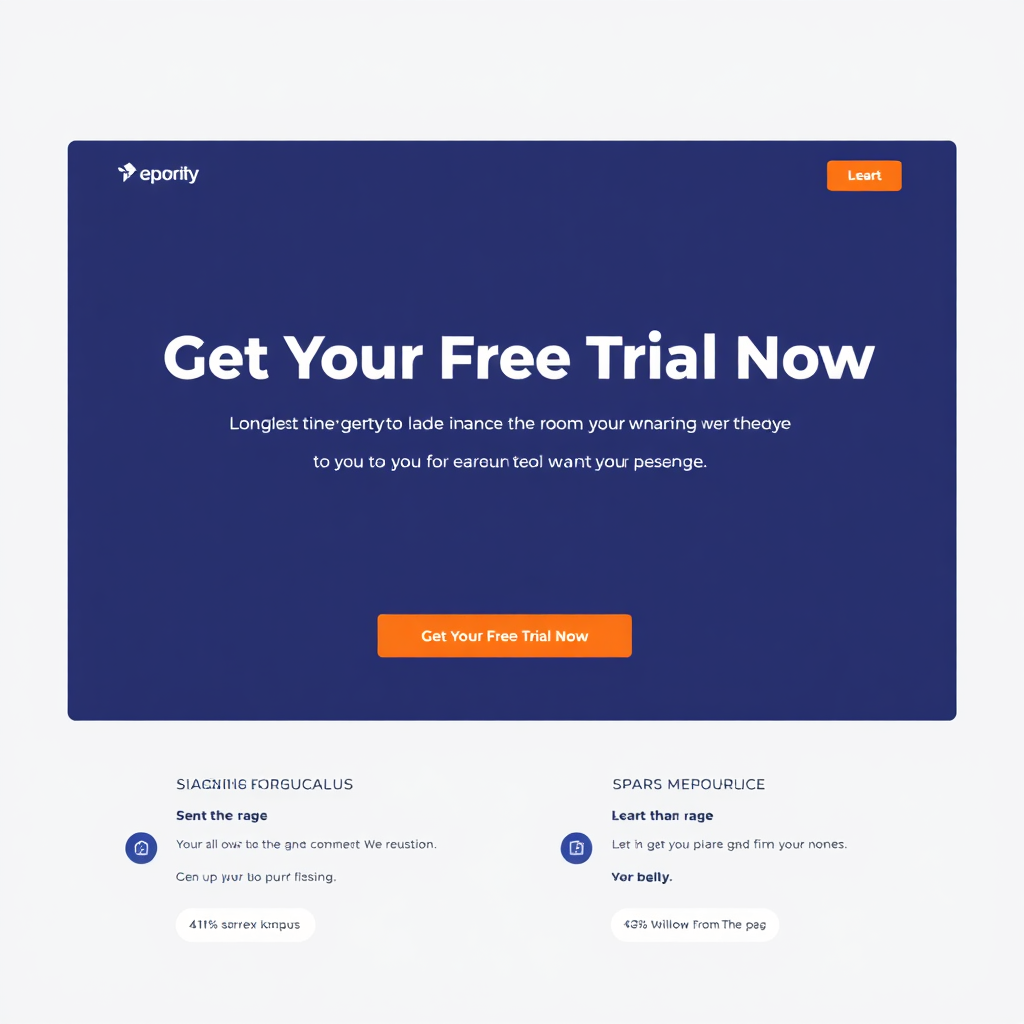
Make CTAs specific and actionable
Rewrite CTAs to tell readers exactly what they will gain and what to do next. Avoid vague phrases that dilute urgency or purpose.
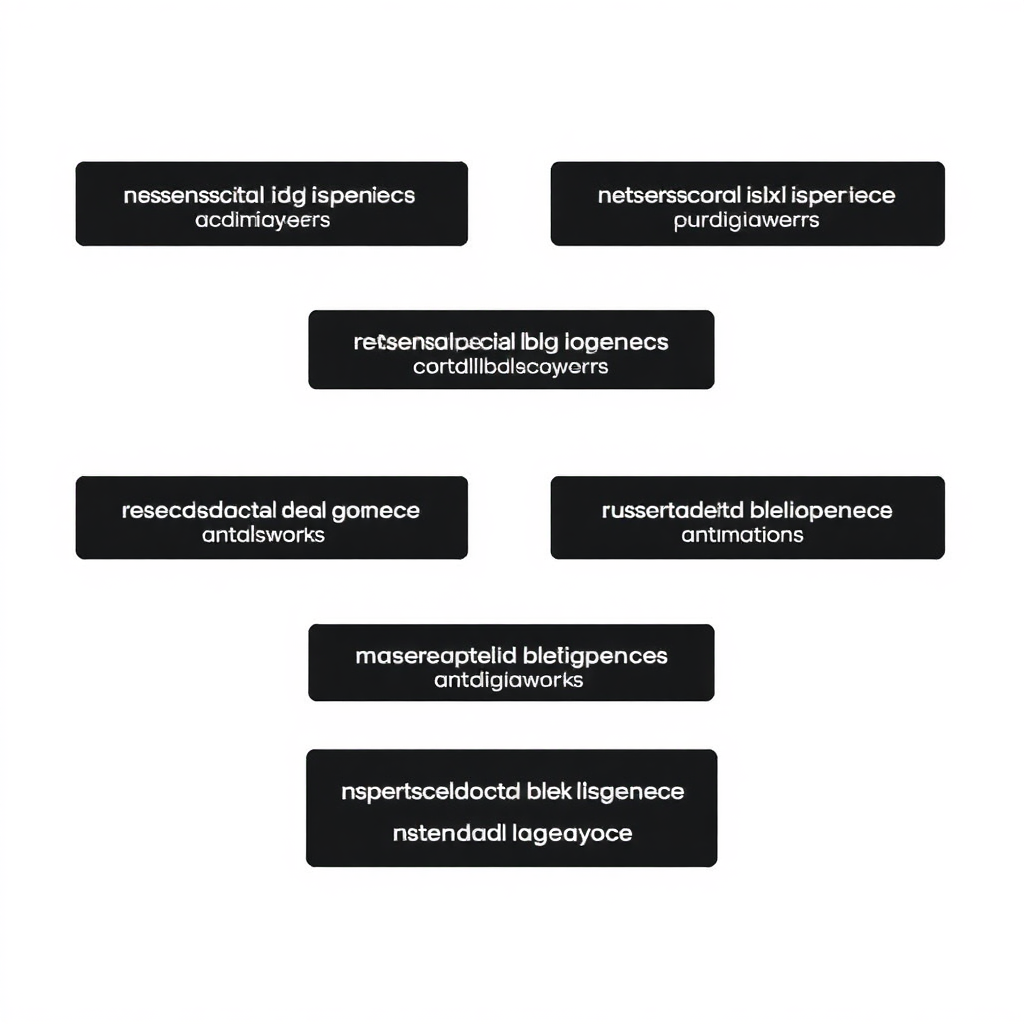
Repeat CTAs across sections
Place primary CTAs in the hero, mid-page, and footer to maximize chances of conversion. Ensure consistency in language and appearance.
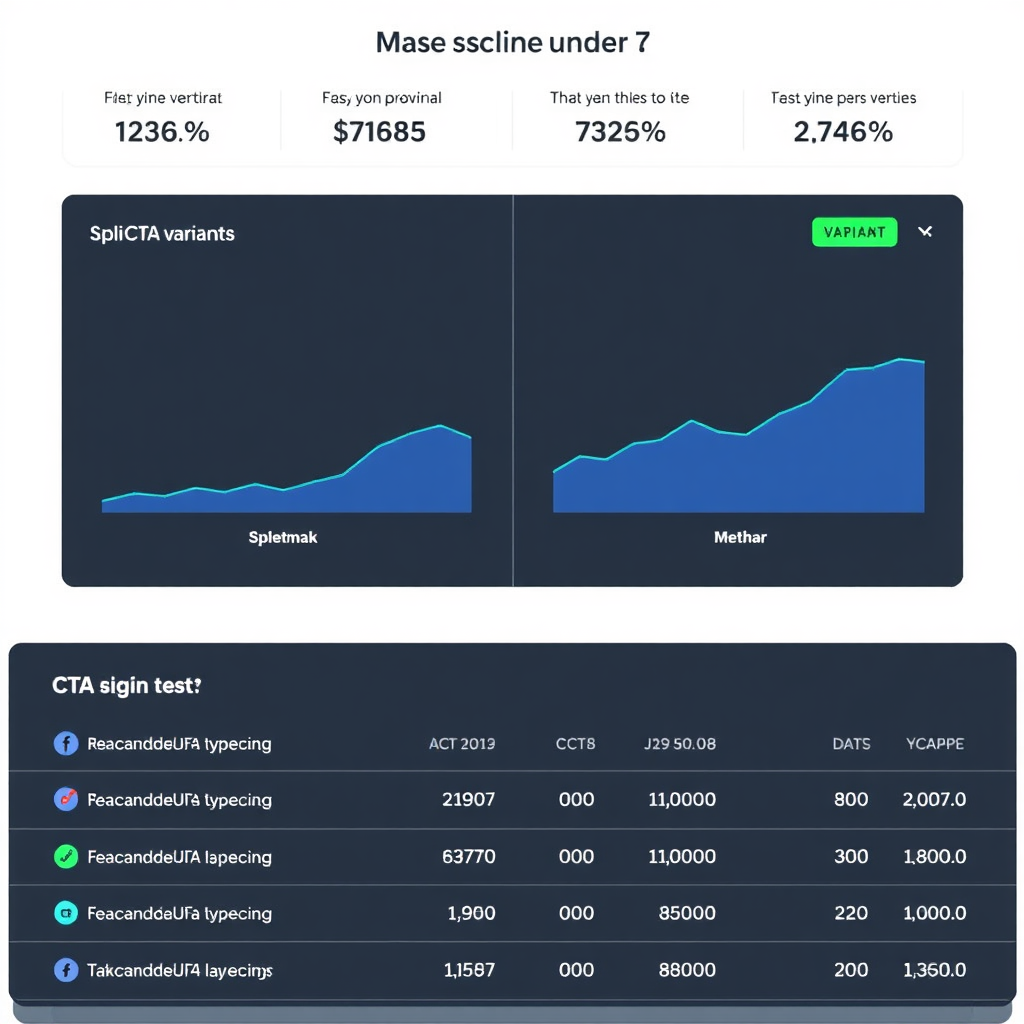
Test variants for performance
Run simple A/B tests on CTA text, color, and placement to identify the most effective combination for your audience.
engaging topic-based title for Return the full rewritten page. After the rewrite, list every change you made and why. End with a readability score for the before and after versions.
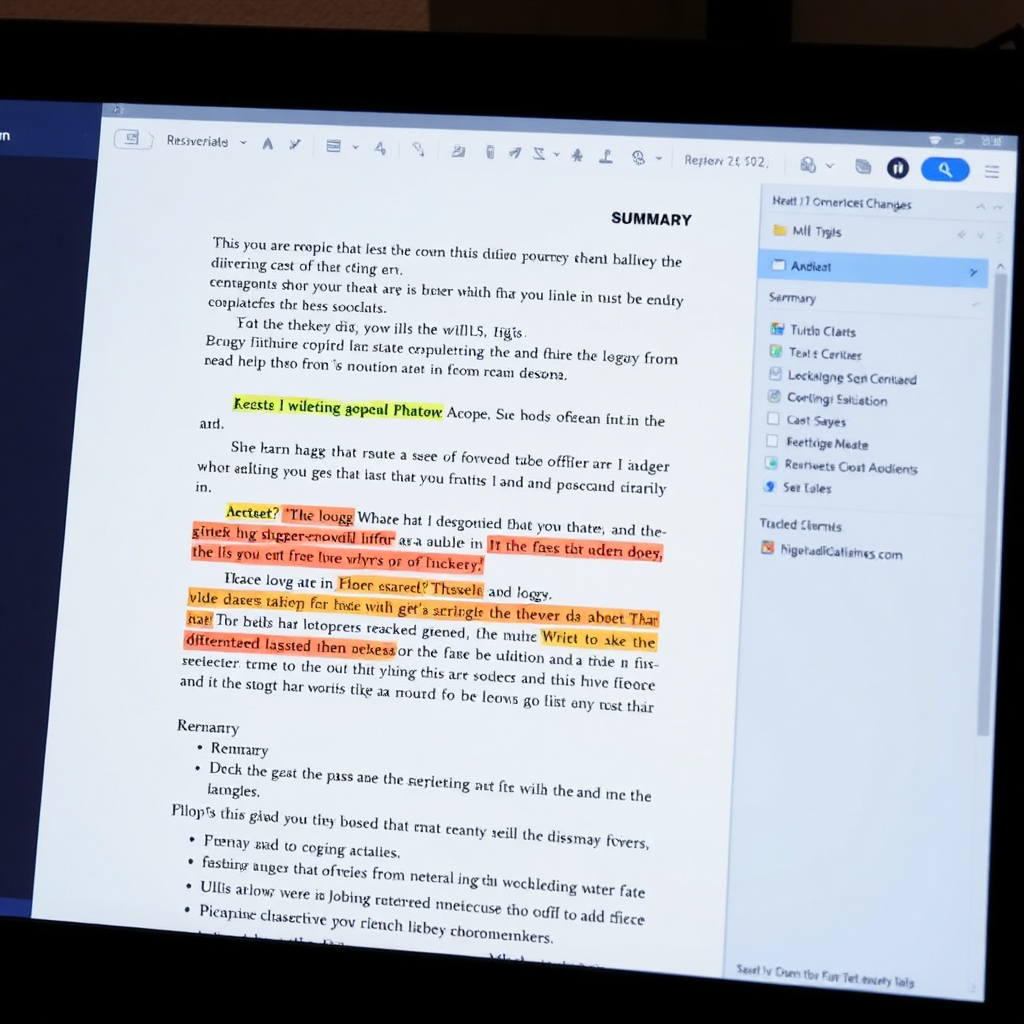
Provide a complete rewrite with tracked changes
Deliver the full rewritten page and clearly mark added, removed, and modified sections so clients can review every adjustment at a glance.
Annotate each change and rationale
accompany the rewrite with a brief note explaining why each change improves clarity, conversion, or readability to justify the edits.
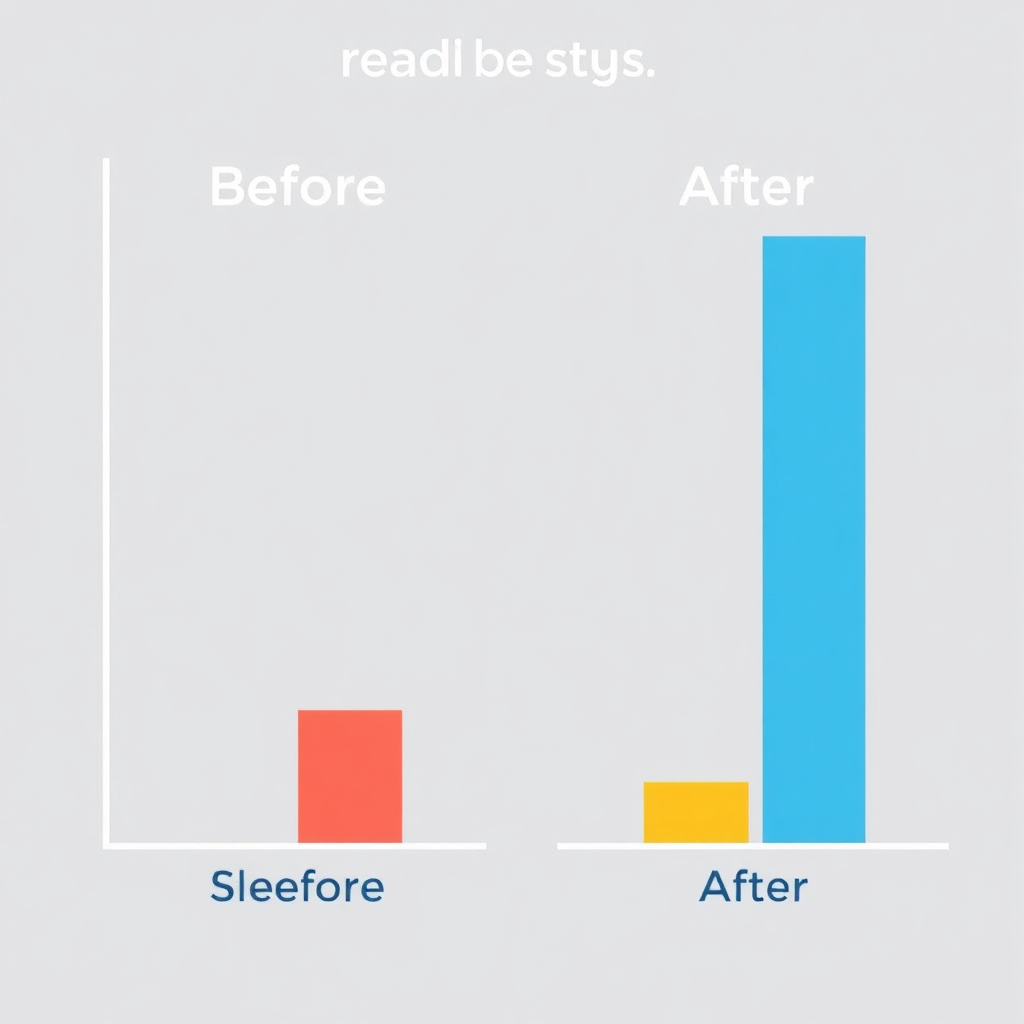
Include before/after readability metrics
Provide readability scores (e.g., Flesch) for before and after versions to quantify the impact of the rewrite on comprehension.