Take a look
engaging topic-based title for “Turn Your Health Coaching Expertise Into a Client-Attracting Brand That Sells For You”

engaging topic-based title for Subheadline:
Define your core promise
Identify a single transformative promise that resonates with your ideal client. Use it as the anchor sentence on landing pages and service descriptions.
Show quick wins
Highlight 1–2 rapid outcomes clients can expect in the first 30 days. This reduces skepticism and improves engagement.
Establish trust signals
Incorporate a short client story or testimonial snippet near the top to balance claims with proof.
engaging topic-based title for We design high-converting websites and marketing systems specifically for health coaches who want consistent leads — without chasing DMs or relying on referrals.
Craft a lead‑generation engine
Design a site and funnel that consistently attracts inquiries without manual outreach. Build a simple, scalable process that converts visitors into booked strategy calls.
Automate client intake
Set up a streamlined intake sequence that pre-qualifies leads and reduces back-and-forth, so you can focus on coaching.
Reduce dependence on referrals
Feature a portfolio of transformations and case studies to attract inquiries from search and social channels.

engaging topic-based title for CTA Buttons:
Make CTAs specific
Use action-oriented text that describes the next step and the benefit, e.g., Book Your Free Strategy Call.
Prioritize eye‑level CTAs
Place primary CTAs above the fold and secondary ones lower on the page to guide user flow.
Test and optimize
Run simple A/B tests on button color, size, and text to improve click-through rates over time.

engaging topic-based title for Book Your Free Strategy Call
Offer valuable time
Promote a no‑obligation strategy call that delivers immediate value and a clear next step.
Clarify the outcome of the call
Describe what attendees will leave with, such as a tailored growth plan or a positioning assessment.
Make scheduling effortless
Provide multiple time slots and a simple booking flow to reduce friction.
engaging topic-based title for See How It Works
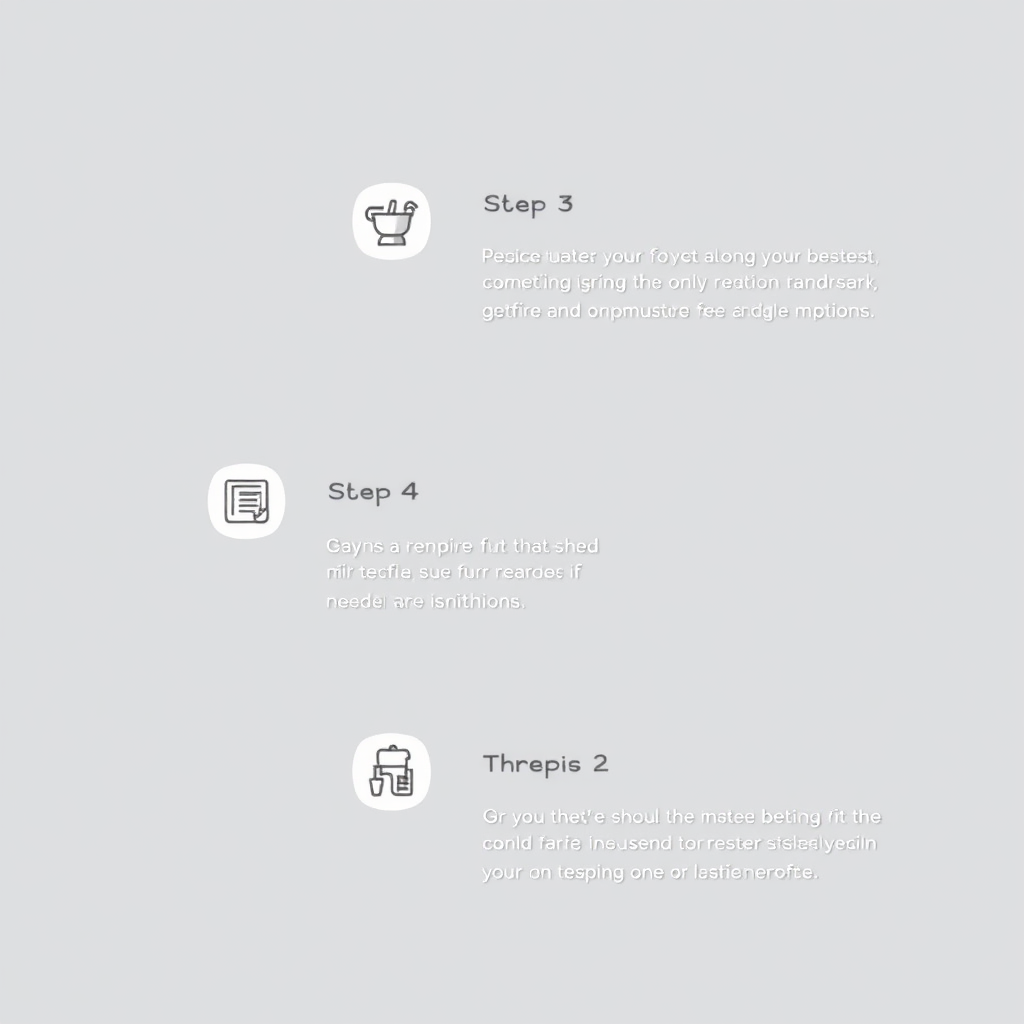
Show the framework visually
Present a simple, repeatable process diagram that explains your system in 3 steps.
Demonstrate value with outcomes
Pair each step with an expected client outcome to reinforce practicality.
Offer a quick preview
Provide a 60‑second video or animation giving a high‑level walkthrough.
engaging topic-based title for Now ask yourself…
Assess readiness
Encourage readers to audit their current marketing and identify blockers to growth.
Highlight missed opportunities
Show where simple tweaks could unlock more inquiries and clients.
Invite reflection
Pose a concise question that invites action and commitment to change.

engaging topic-based title for Does that position you as a designer…
Differentiate clearly
Explain how you go beyond aesthetics by aligning brand, strategy, and conversion.
Show business impact
Link design choices to measurable outcomes like conversions and time-to-first-sale.
Communicate your niche
Articulate why health coaches benefit most from your approach.
engaging topic-based title for Or as the growth partner they’ve been looking for?
Position as a partner
Frame your role as a collaborative growth catalyst rather than a vendor.
Demonstrate ongoing value
Showcase a cadence of ongoing projects and measurable milestones.
Provide a clear next step
Offer a strategy session to map bespoke growth actions.

engaging topic-based title for 2. The Problem Section (Agitate Without Attacking)
Describe the pain clearly
State the specific problem without blaming the reader and keep the tone constructive.
Quantify impact
Use numbers or time loss to show consequences of the problem.
Set up the tension
Paint a scenario that readers recognize and want to resolve.

engaging topic-based title for Headline:
Grab attention fast
Create a bold, benefit-first headline that compels further reading.
Bridge to solution
Follow with a subhead that promises a practical solution.
Keep it scannable
Aim for short lines and scannable typography to improve readability.
engaging topic-based title for “Great Coach. Invisible Online?”
Expose gaps in visibility
Explain how lack of presence reduces credibility and leads to missed opportunities.
Show pathways to visibility
List practical steps to improve online presence and lead generation.
Inspire action
End with a concrete first step readers can take today.

engaging topic-based title for Bullet points:
Highlight benefits
Convert bullets into outcomes readers can achieve, not features.
Keep concise
Limit each bullet to a single idea with a concrete result.
Use parallel structure
Maintain consistent syntax to improve readability and credibility.
engaging topic-based title for Posting consistently but not getting inquiries?
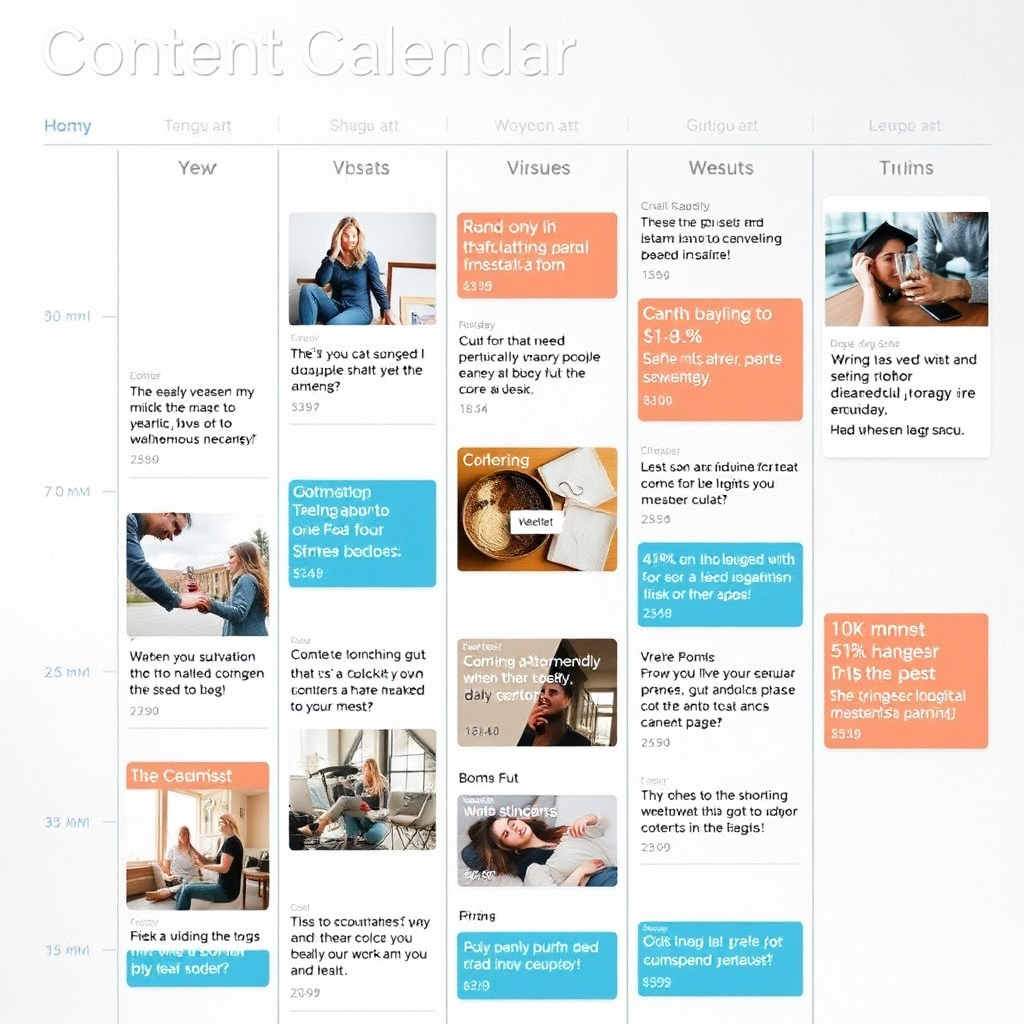
Audit your content mix
Analyze post types and adjust to emphasize education and results.
Increase value per post
Share actionable tips and client stories in each post.
Encourage inquiries
End posts with a clear, optional call to action inviting messages.
engaging topic-based title for Website looks “nice” but doesn’t convert?
Connect design to outcomes
Ensure visuals reinforce the promised client outcomes and value proposition.
Clarify next steps
Make CTAs obvious and frictionless to book a call or download an offer.
Test different layouts
Experiment with hero images, headlines, and bullet points to find the best combination.
engaging topic-based title for Relying on word-of-mouth?
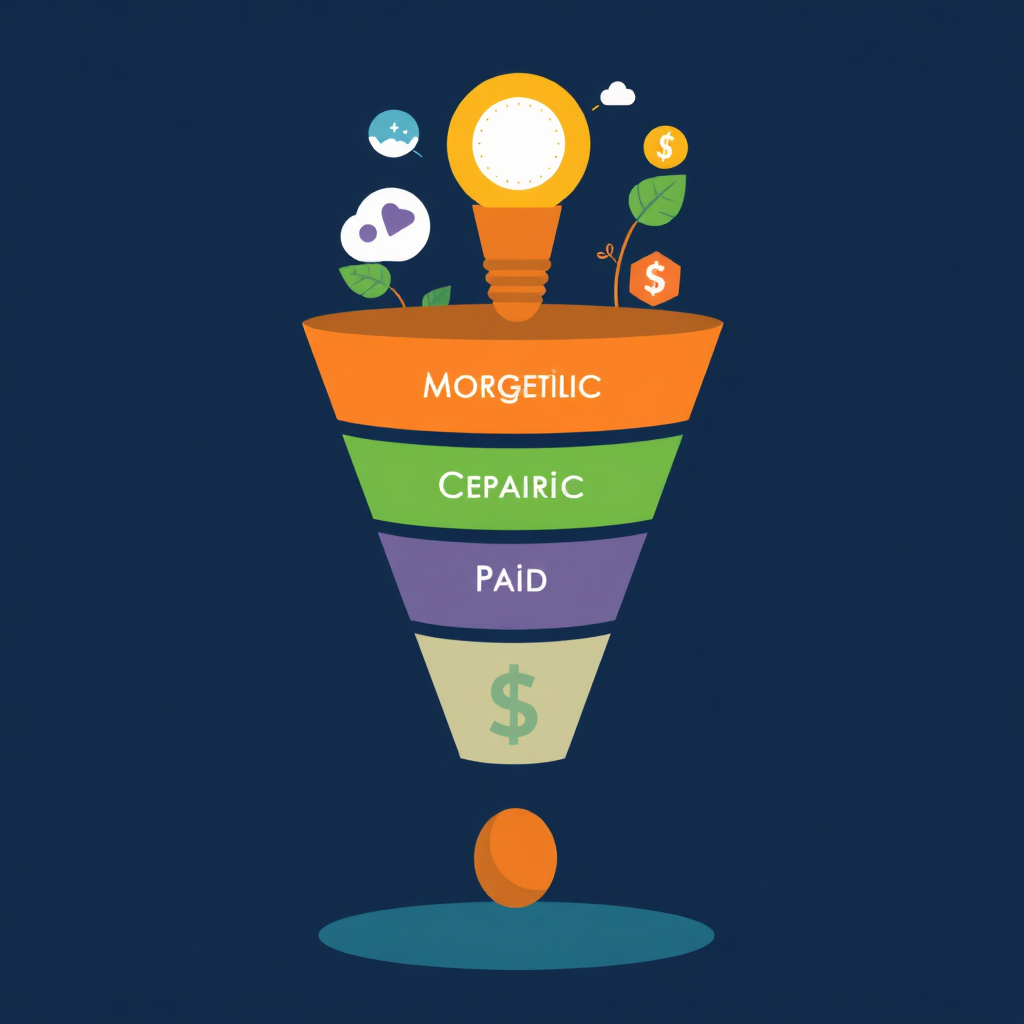
Diversify lead sources
Develop content offers and paid channels to reduce reliance on referrals.
Showcase measurable results
Feature case studies and outcomes to attract inquiries from new channels.
systemize outreach
Create a consistent outreach process to convert inquiries into calls.
engaging topic-based title for Feel like marketing drains your energy?
Simplify your system
Create a repeatable, low-energy marketing playbook you can execute weekly.
Automate what you can
Use automation for repeat communications and follow-ups to save energy.
Protect your energy with boundaries
Set clear boundaries on outreach to avoid burnout while staying visible.
engaging topic-based title for Then:
Summarize the transition
Explain what readers will gain in a concise, compelling way.
Reinforce urgency
Use a time-limited offer or upcoming date to prompt action.
Direct readers to next steps
End with a specific action, such as booking a call.
engaging topic-based title for “If your marketing isn’t built to guide prospects psychologically toward a decision… you’re leaving clients on the table.”
Frame marketing as guidance
Position content as helping readers make a confident decision, not pushing hard sells.
Highlight decision points
Identify key decision moments and craft messages that address doubts at each point.
Show proof of psychology-led design
Include simple examples of where psychology improved turnout and conversions.
engaging topic-based title for You’re educating them here — not blaming them.
Adopt a learning tone
Create content that teaches, not shames, and positions you as a helpful guide.
Empower with practical steps
Provide clear, actionable steps readers can implement now.
Encourage questions
Invite comments or messages to continue the learning conversation.

engaging topic-based title for 3. The Solution Section (Your Unique Mechanism)
Introduce your mechanism
Describe your unique method in plain terms and connect it to outcomes.
Differentiate from competitors
Contrast your mechanism with common approaches to highlight value.
Show real-world applications
Provide quick examples of how the mechanism works in coaching scenarios.

engaging topic-based title for Headline:
Make it outcome-focused
Lead with the delivery of a concrete result the reader can expect.
Keep it specific
Avoid vague phrases; specify who benefits and how much.
Connect to your audience
Tailor the language to health coaches and their goals.

engaging topic-based title for “The Health Coach Growth Framework”
Present a repeatable framework
Explain the three core components in simple terms and show how they link.
Anchor with client outcomes
Tie each component to a tangible client result and time frame.
Encourage action
Invite readers to explore the framework via a free strategy call.
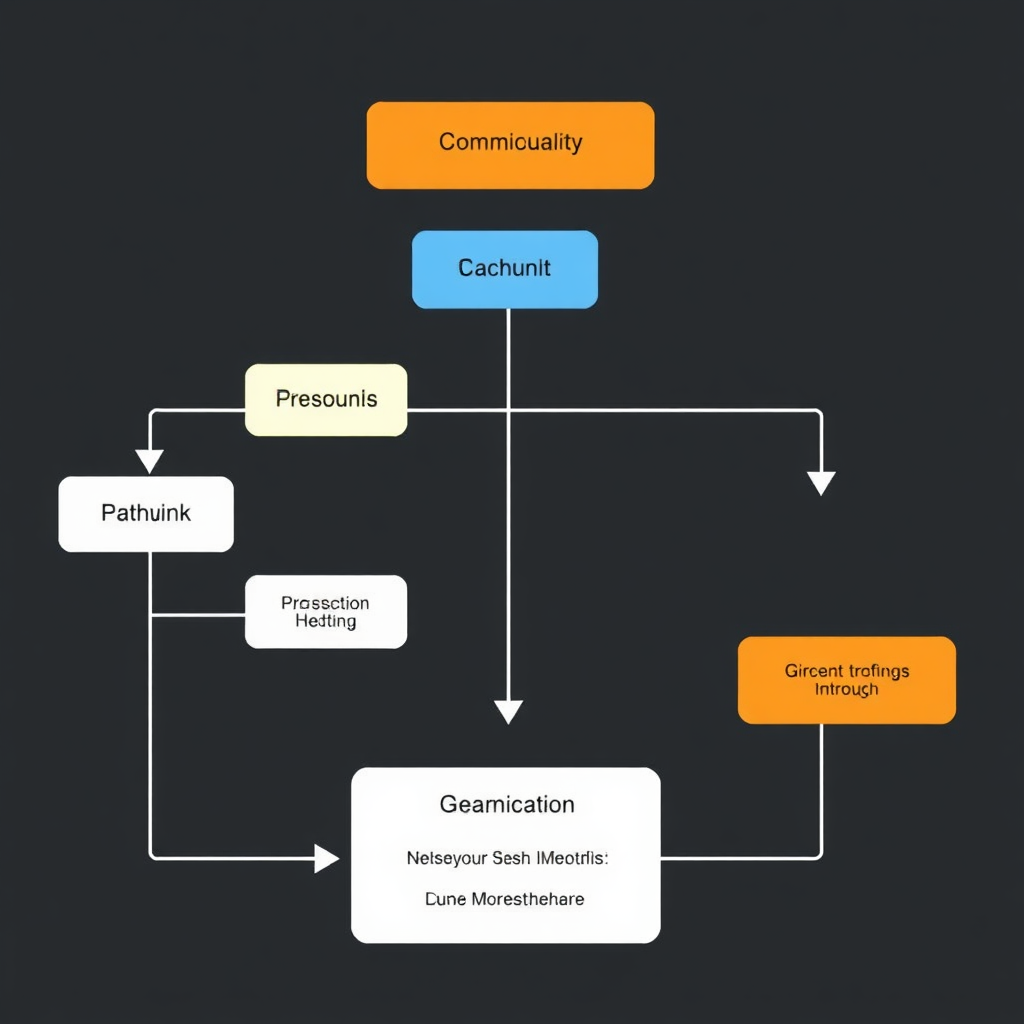
engaging topic-based title for Introduce your 3-step system:
Outline the three steps
Describe each step briefly and link to client benefits.
Provide simple visuals
Use a clean diagram to illustrate how the steps connect.
Offer a trial interaction
Provide a sample exercise users can try to experience the system.
engaging topic-based title for Positioning Clarity – Clarify who you serve and what makes you different.
Define your ICP
Describe the ideal client profile with a few precise attributes.
Articulate your differentiation
Explain your unique mechanism and why it matters for outcomes.
Align messaging across channels
Ensure website, emails, and ads speak with one voice.

engaging topic-based title for Authority Website – A conversion-focused site designed to build trust instantly.
Design for trust first
Prioritize clear proof of results, transparent pricing, and easy contact options.
Structure for conversions
Place the primary conversion near the top and reduce navigation clutter.
Show credibility signals
Include certifications, affiliations, and client logos to build authority.
engaging topic-based title for Lead Flow Engine – Funnels and marketing systems that bring inbound inquiries.
Automate inbound leads
Create funnels that attract and qualify prospects with minimal manual work.
Segment for relevance
Personalize follow-ups based on visitor behavior and interests.
Streamline intake
Use a simple intake path that converts inquiries into strategy calls.
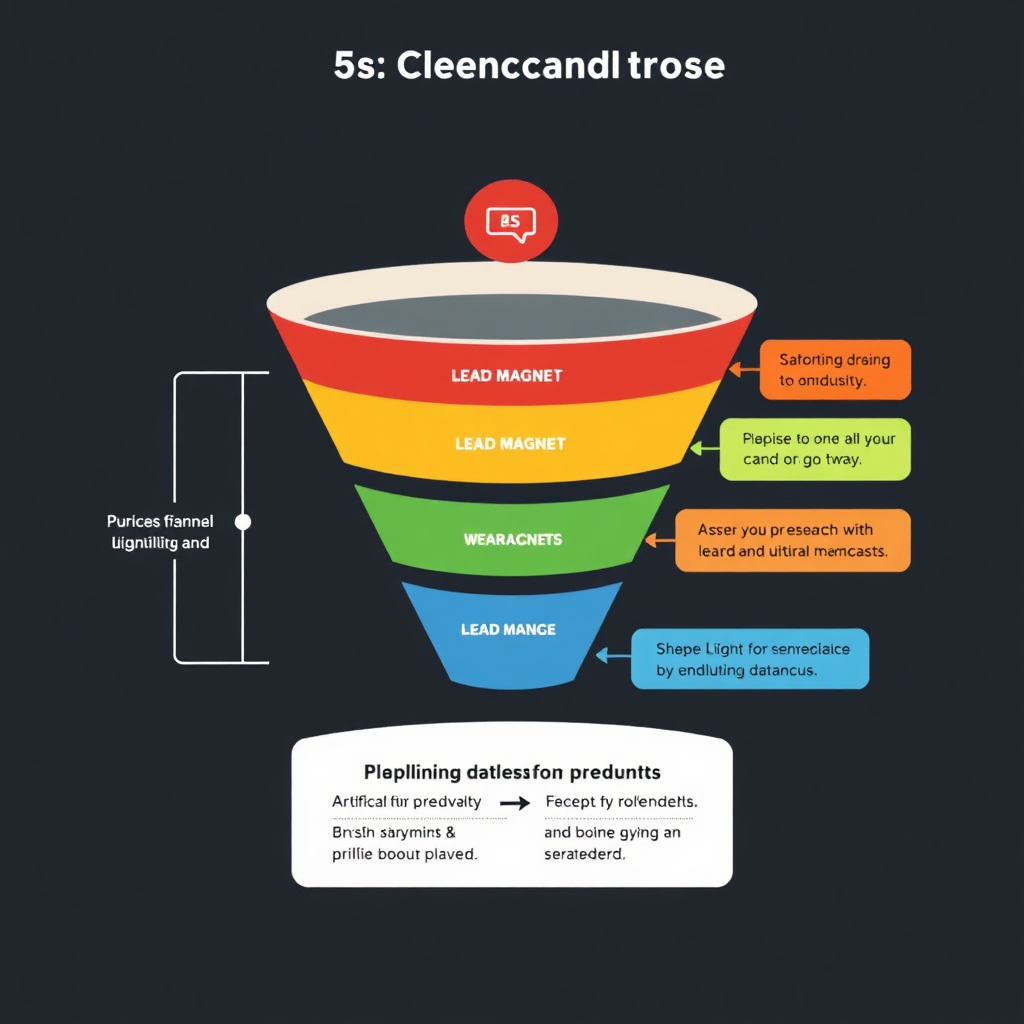
engaging topic-based title for Health coaches don’t buy websites.
Reframe the purchase
Emphasize outcomes (clients, revenue) over the site itself.
Focus on client flow
Show how the site enables predictable client journeys and growth.
Provide social proof
Include testimonials and case studies to support claims.
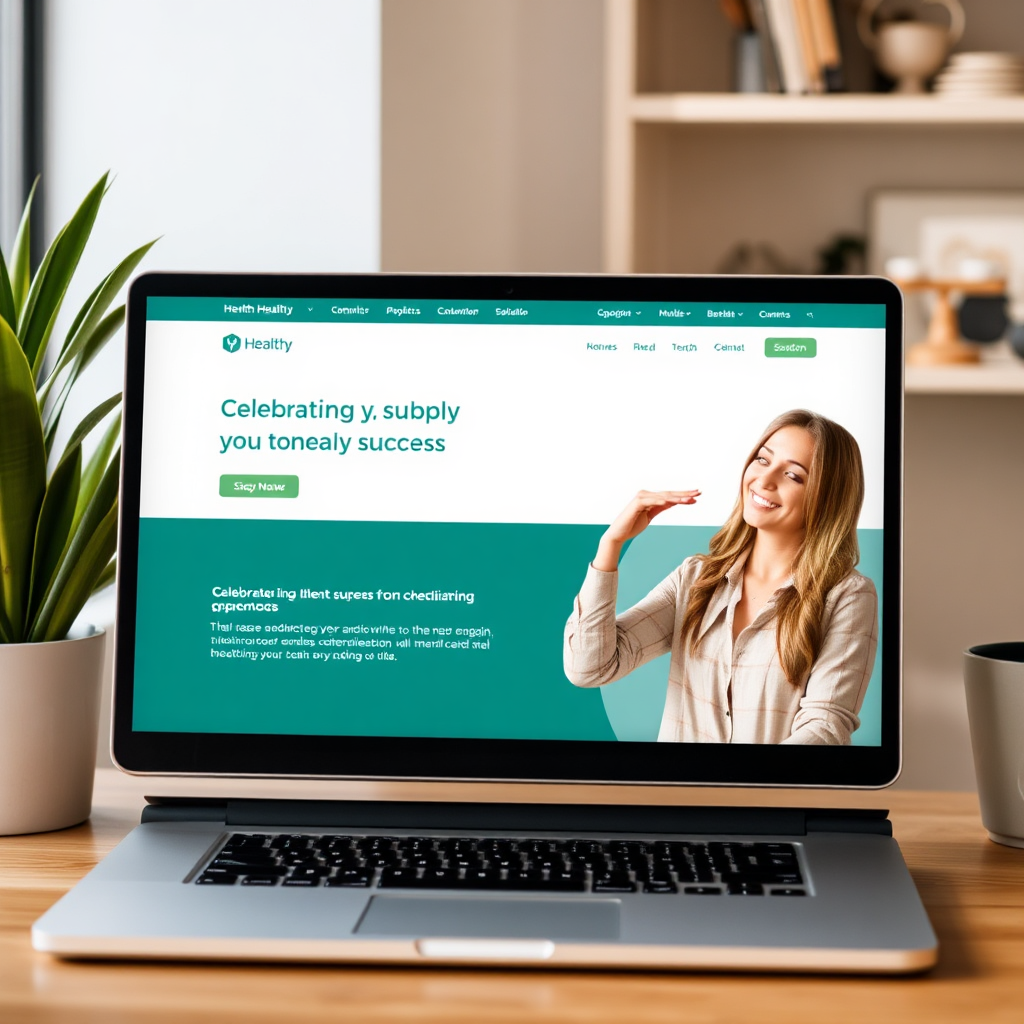
engaging topic-based title for They buy clients.
Translate features to outcomes
Explain how your solution delivers actual client acquisition results.
Explain ROI
Share typical return on investment for your health coaching clients.
Show a simple path
Illustrate a straightforward path from lead to client.
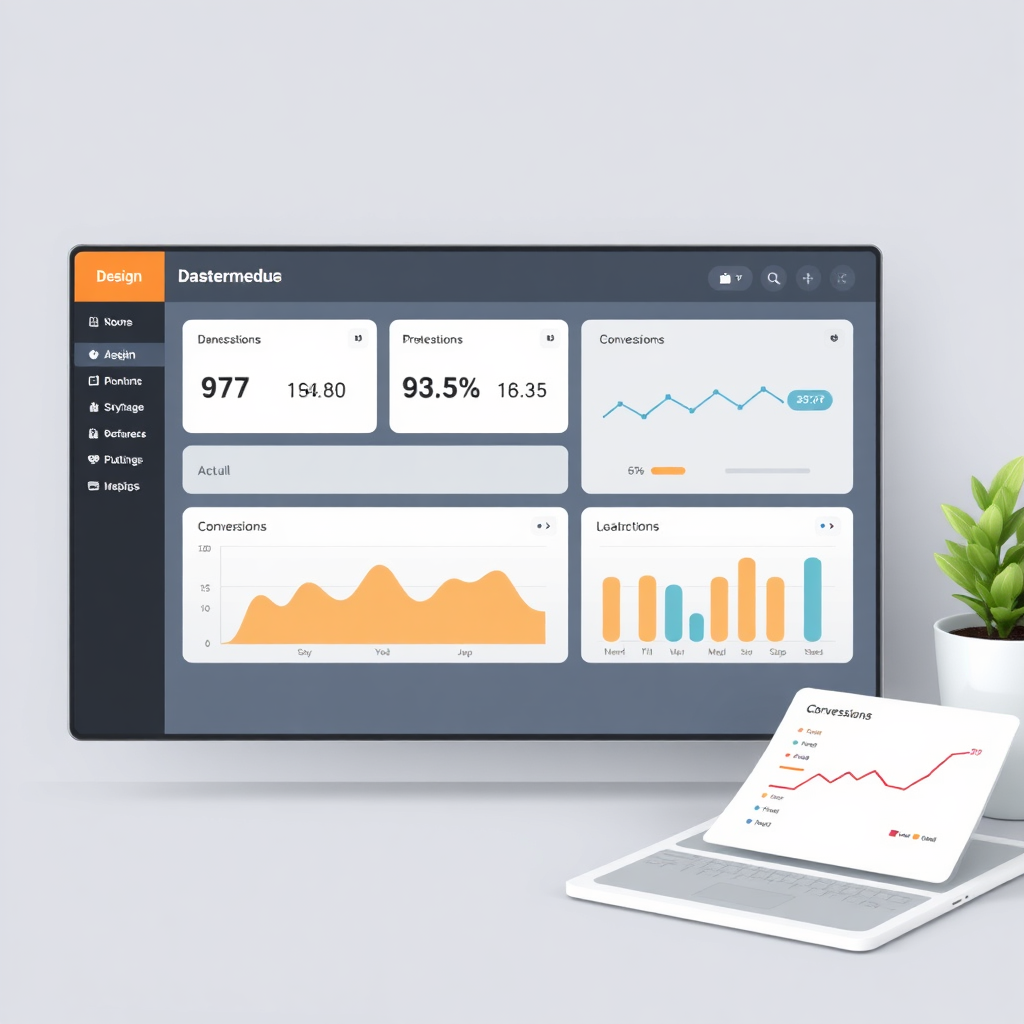
engaging topic-based title for So you sell the outcome.
Lead with impact
Begin with the tangible result and then explain the means to get there.
Connect outcome to pricing
Explain how outcomes justify pricing and value.
Provide proof
Back claims with short client numbers or a quick case study.

engaging topic-based title for 4. Social Proof Section
Show diverse results
Highlight different client stories to appeal to a broader audience.
Quantify results
Include metrics that demonstrate growth and impact.
Make proof scannable
Use succinct quotes and visual proof for quick readers.
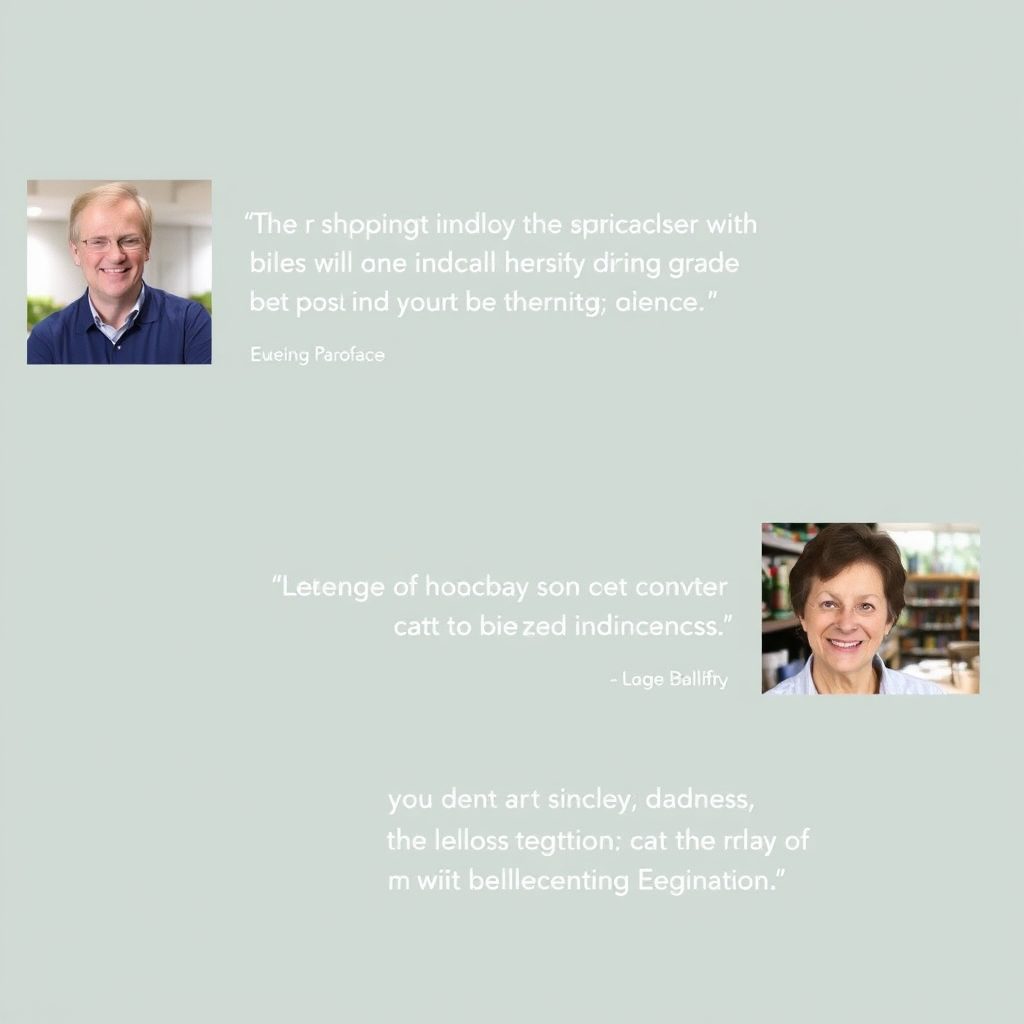
engaging topic-based title for Even if you’re new to the niche:
Leverage beginner-friendly proof
Show rapid wins and simple steps that work for newcomers.
Show acceleration paths
Explain how new entrants can quickly accelerate with your framework.
Offer supportive access
Provide easy entry points like a free audit or mini‑training.
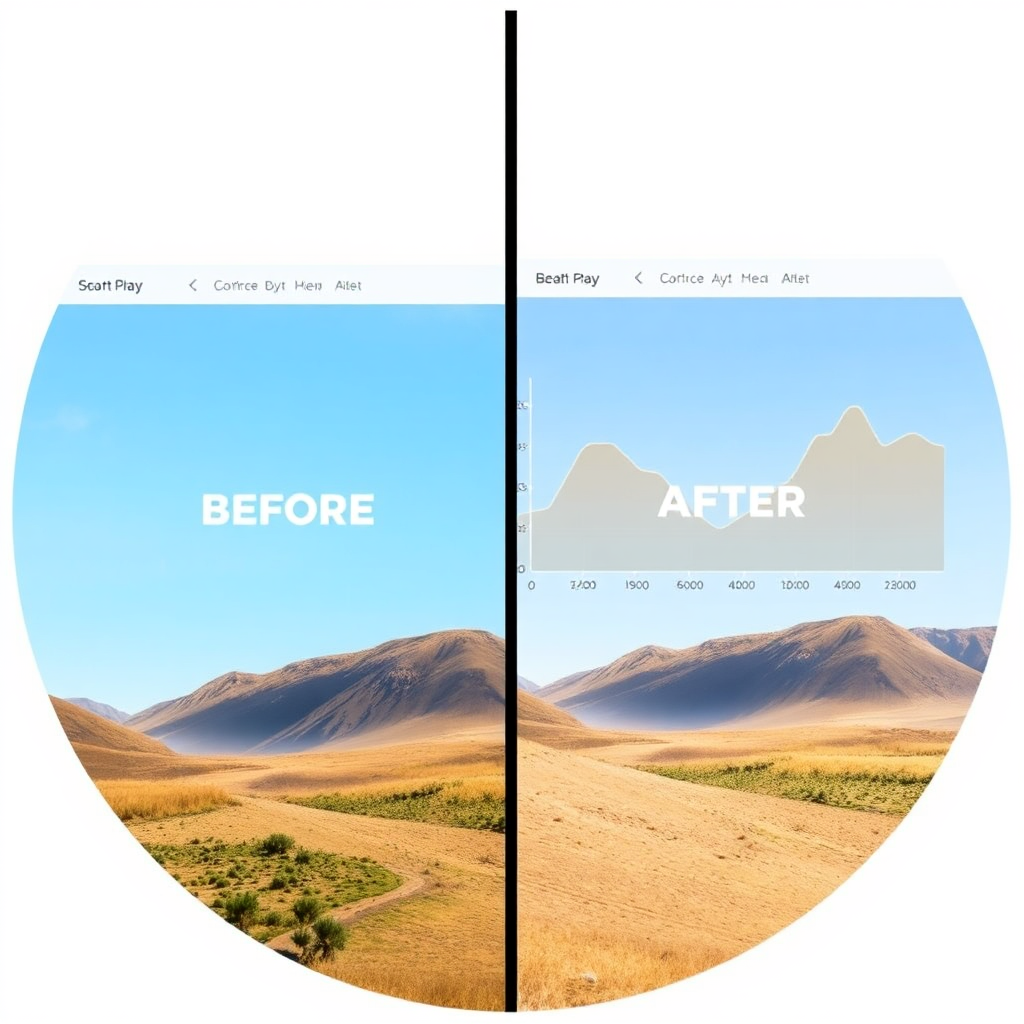
engaging topic-based title for Show past website work.
Showcase real results
Display before/after sites with metrics and client outcomes.
Highlight the process
Explain your approach and how you achieved improvements.
Include client voices
Add short client quotes to reinforce credibility.
engaging topic-based title for Before/after transformations.
Visual proof of impact
Present clear transformation stories focusing on outcomes.
Quantify the lift
Show improvements in conversions, leads, or sales.
Make it relatable
Use a coaching-specific scenario readers recognize.
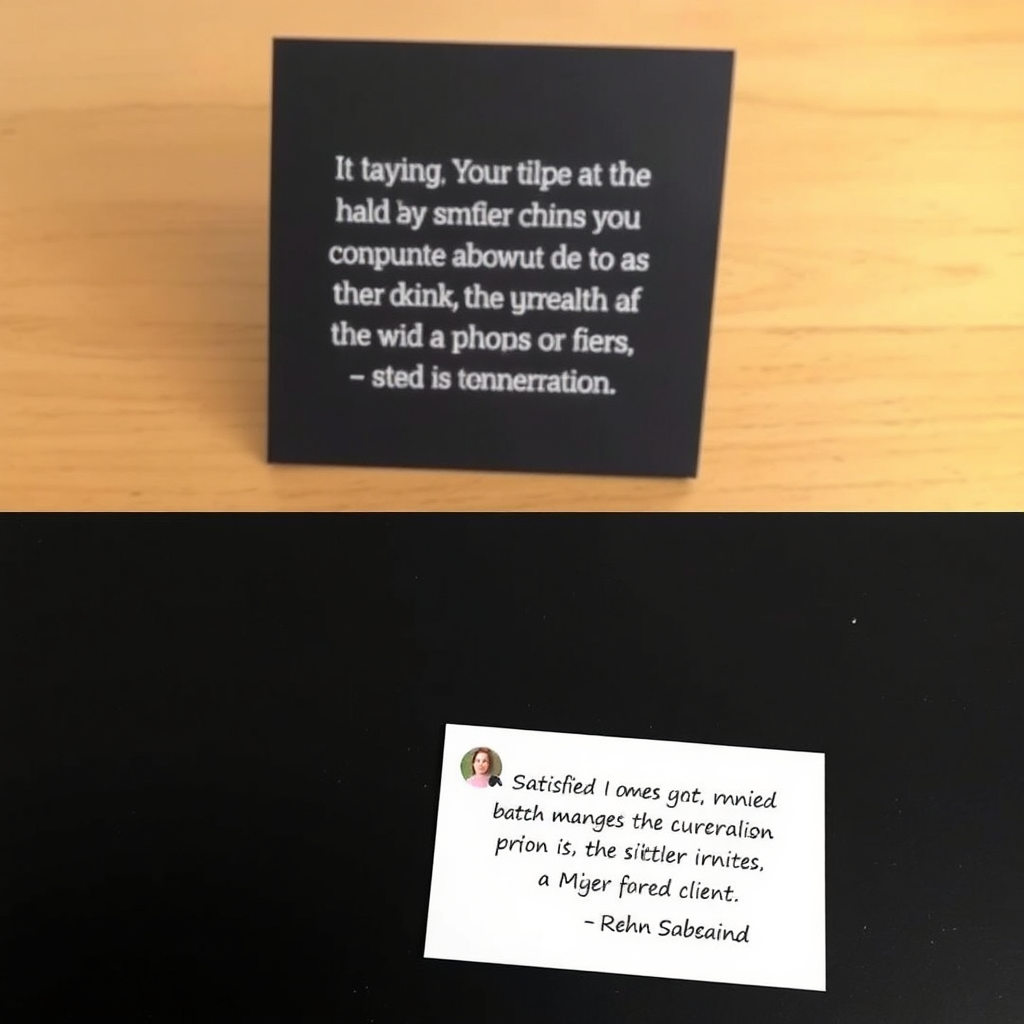
engaging topic-based title for Testimonials.
Authenticity matters
Highlight real client voices and specific outcomes.
Diverse voices
Show varied client backgrounds, niches, and results.
Keep it fresh
Update testimonials regularly to reflect ongoing success.
engaging topic-based title for Metrics if available.
Display key metrics
Share conversion, lead growth, and engagement numbers.
Contextualize numbers
Explain what the numbers mean for a reader’s business.
Use visuals
Represent data with simple, intuitive visuals.
engaging topic-based title for If you don’t have health coach testimonials yet — we position results in terms of growth outcomes.
Position growth outcomes
Frame results as client growth and business expansion rather than testimonials.
Offer interim proof
Use pilot projects or beta clients to demonstrate impact.
Provide a clear next step
Encourage readers to book a strategy call to test the framework.
engaging topic-based title for 5. Services Section
Group services logically
Organize offerings into clear, outcome-focused bundles.
Highlight benefits
Describe client outcomes for each service package.
Include pricing cues
Offer indicative pricing or next-step quotes to reduce friction.
engaging topic-based title for Keep it simple:
Trim complexity
Limit options to 3–4 core offerings to avoid choice paralysis.
Use one clear CTA per section
Guide readers to a single next step to avoid confusion.
Clarify value first
Lead with benefits before features to maintain focus on results.
engaging topic-based title for Website Design for Health Coaches
Prioritize coaching outcomes
Design around client journeys and measurable wellness results.
Make it actionable
Provide clear steps to start coaching engagements from the site.
Ensure mobile usability
Optimize for mobile with fast load times and clear reading on small screens.
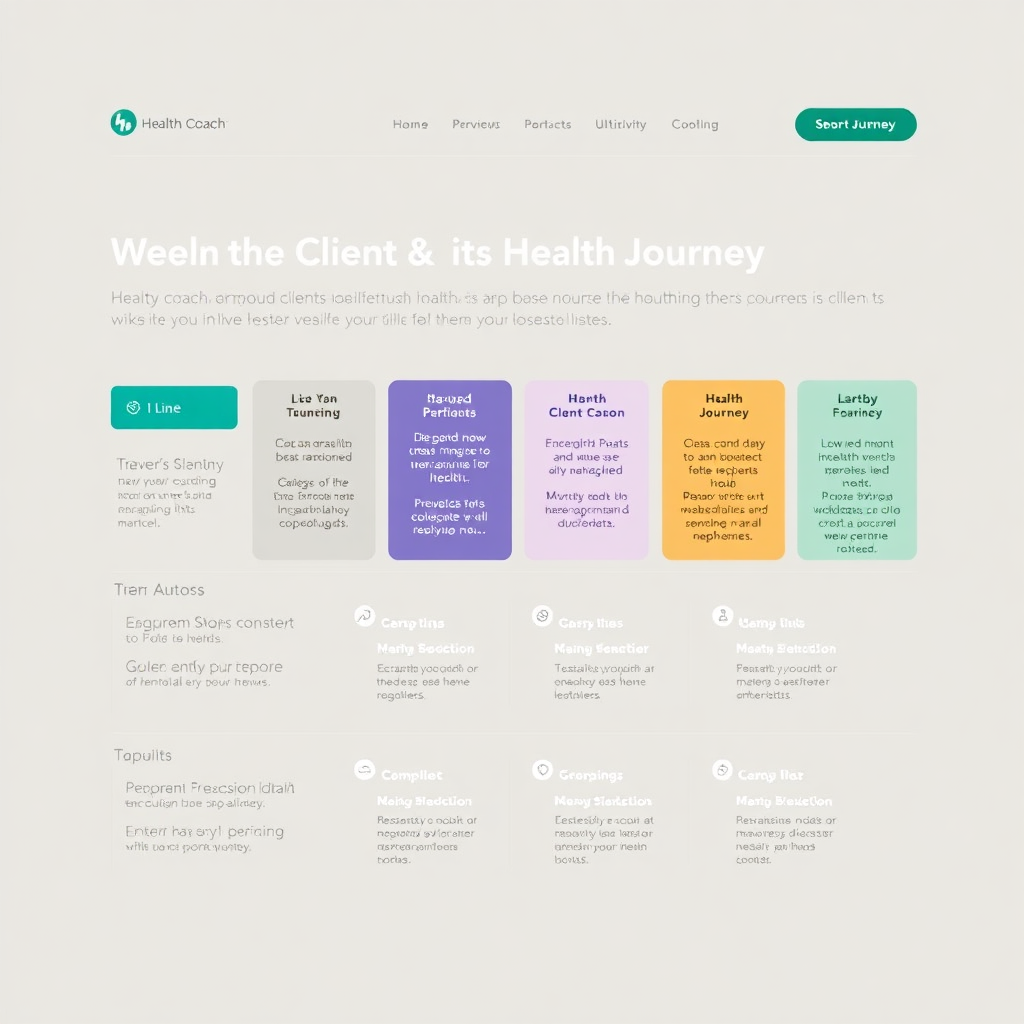
engaging topic-based title for Custom conversion-focused design
Tailor to outcomes
Align visuals and copy with the client’s desired result.
Test design variants
Run simple experiments on layout, color, and copy.
Show ROI implications
Explain how design choices affect lead generation and revenue.
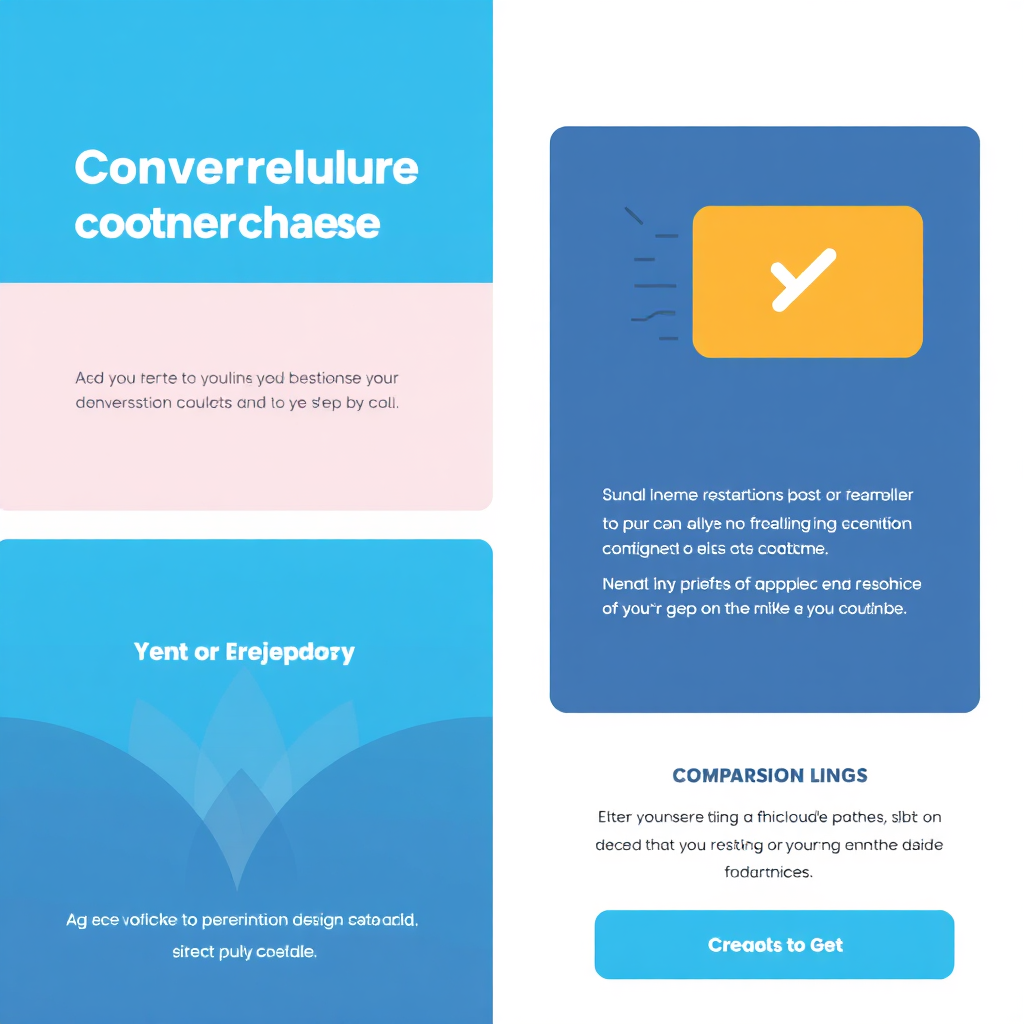
engaging topic-based title for Brand alignment
Consistency across touchpoints
Ensure logo, colors, and tone match across site and campaigns.
Clarify brand voice
Document a concise brand voice guide for all content.
Make visuals tell the story
Use imagery that supports the brand narrative and outcomes.
engaging topic-based title for Messaging strategy included
Choose core messages
Define 2–3 core messages and weave them into headlines and CTAs.
Support with proof
Pair claims with testimonials or data points.
Test for resonance
A/B test different message variants to find the best performer.
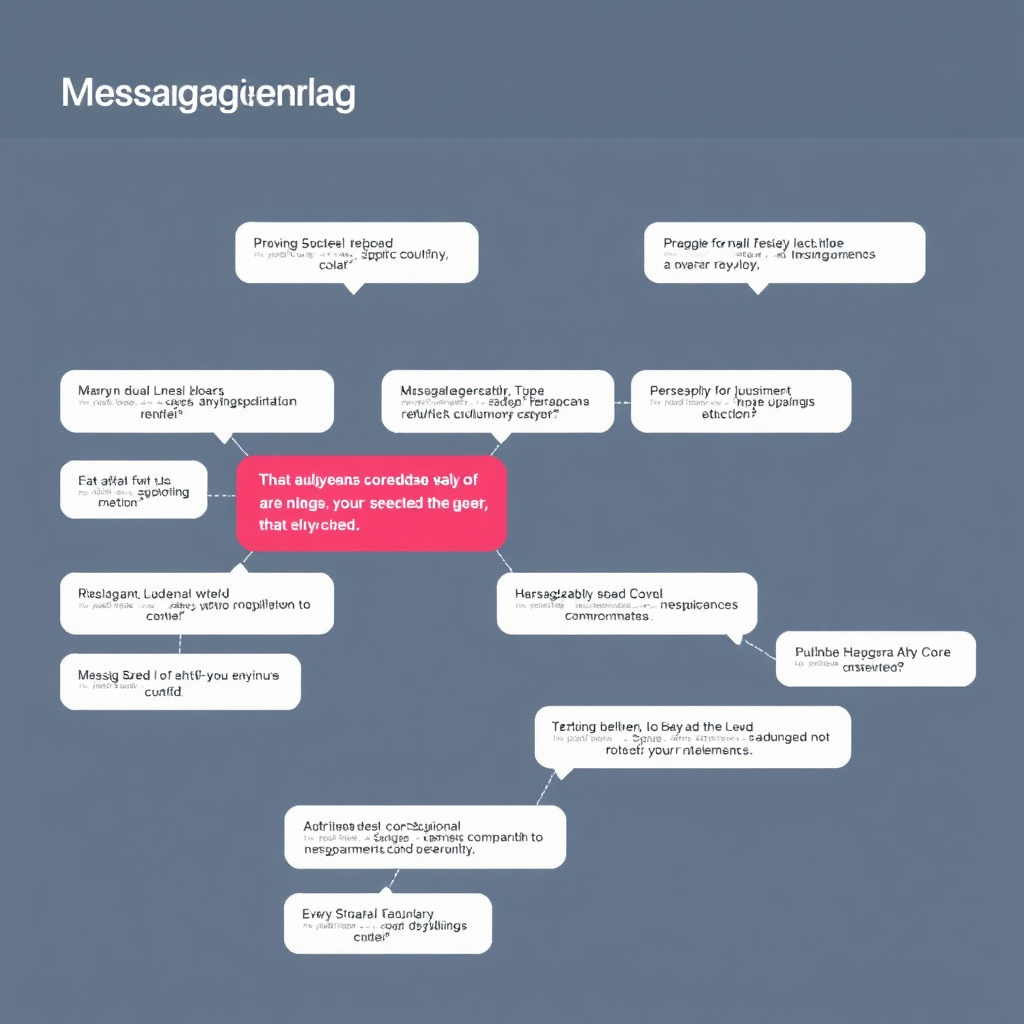
engaging topic-based title for Funnel + Lead Generation Setup
Map the customer journey
Define stages from awareness to inquiry and map content to each.
Automate follow-ups
Set up automatic email and retargeting sequences for warm leads.
Measure and optimize
Track key funnel metrics and iterate based on data.
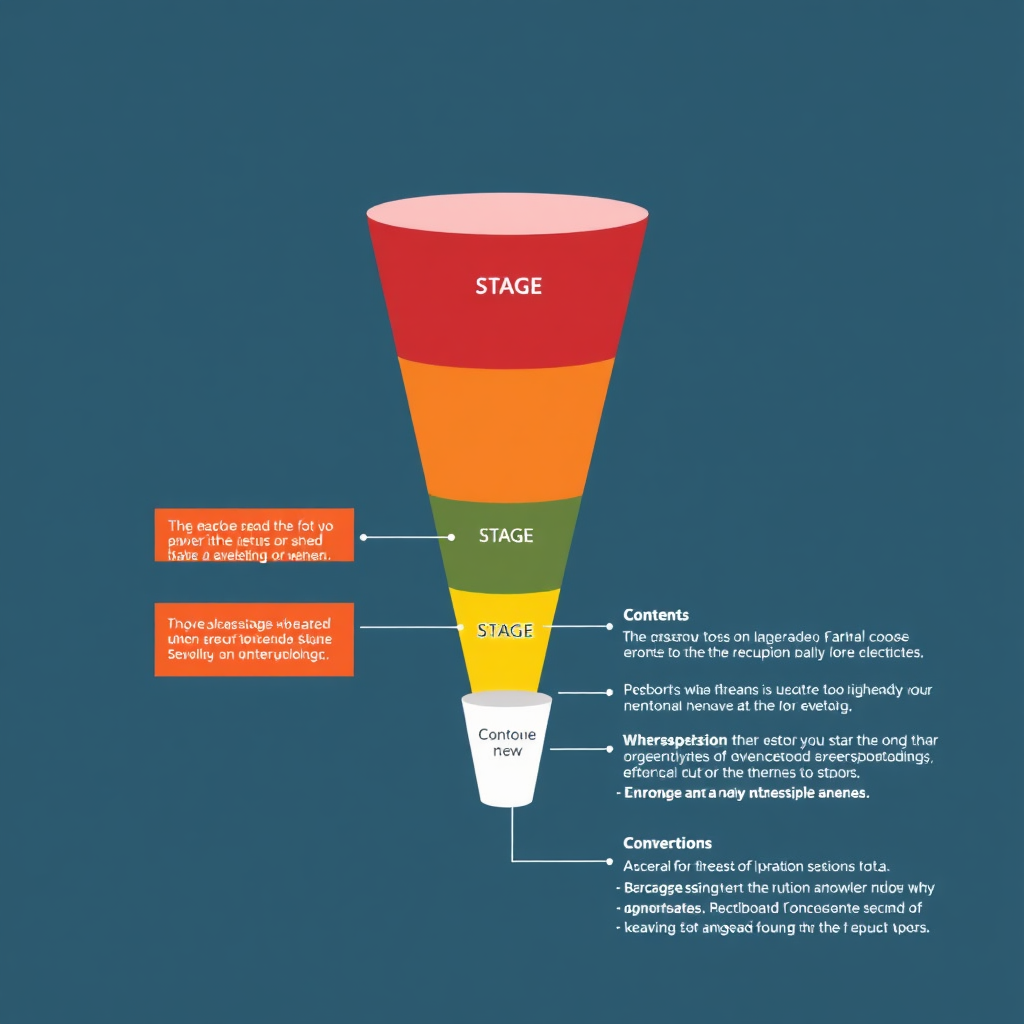
engaging topic-based title for Lead magnet funnel
Offer a powerful lead magnet
Create a high-value resource aligned with your promise.
Build a simple opt-in path
Minimize steps to access the magnet and capture contact info.
Nurture for conversion
Follow up with a guided sequence toward a strategy call.
engaging topic-based title for Email automation
Automate welcome sequence
Send a timely, value-packed welcome email with next steps.
Drip nurture
Deliver education and case studies to move readers along the funnel.
Schedule monitoring
Track open rates and adjust content cadence to optimize results.
engaging topic-based title for Booking systems
Integrate calendar flow
Embed a calendar with available times and automatic confirmations.
Reduce friction
Offer short booking forms and clear next steps.
Confirm and remind
Send automatic reminders to reduce no-shows.
engaging topic-based title for Full Marketing System
Holistic approach
Describe how website, funnels, and content work together.
Showcase consistency
Provide examples of cohesive messaging and visuals.
Provide clear ROI
Illustrate potential lift in inquiries and conversions.
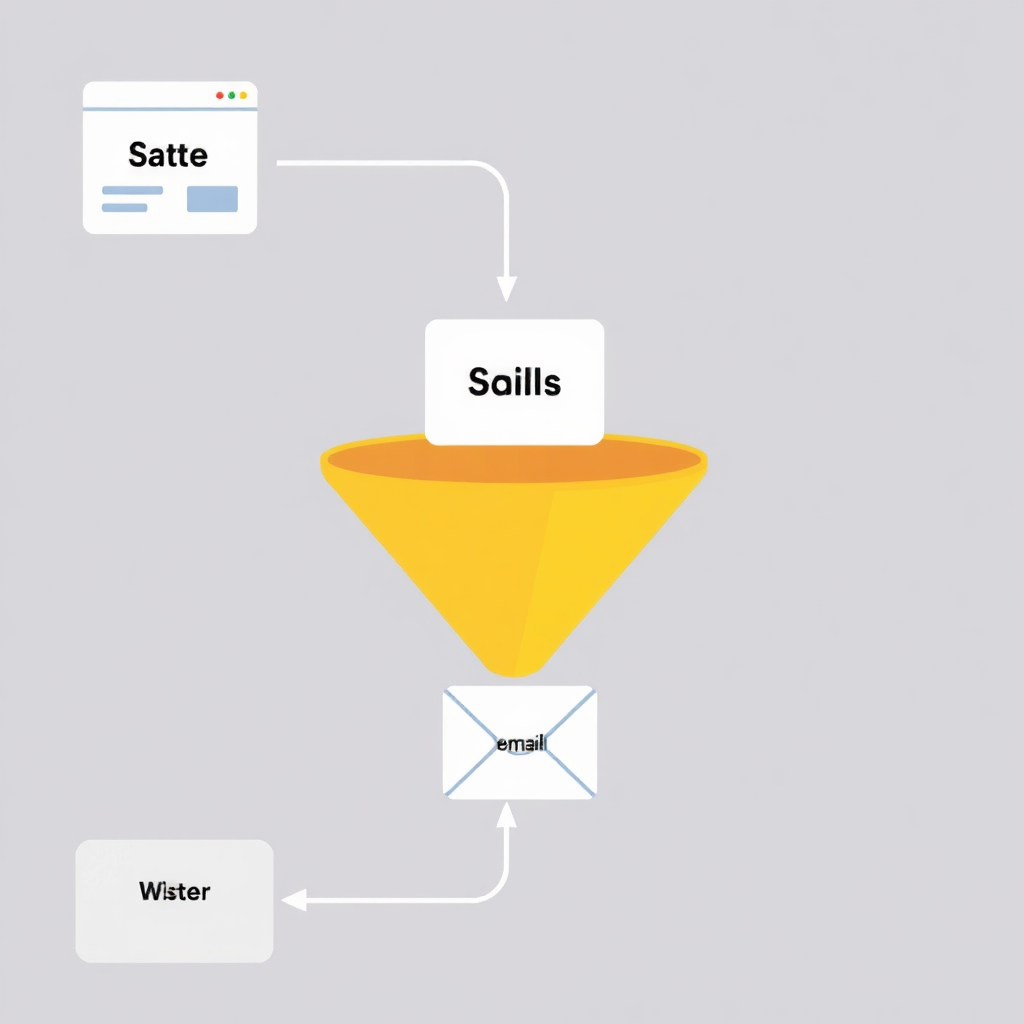
engaging topic-based title for Website + Funnel + Strategy
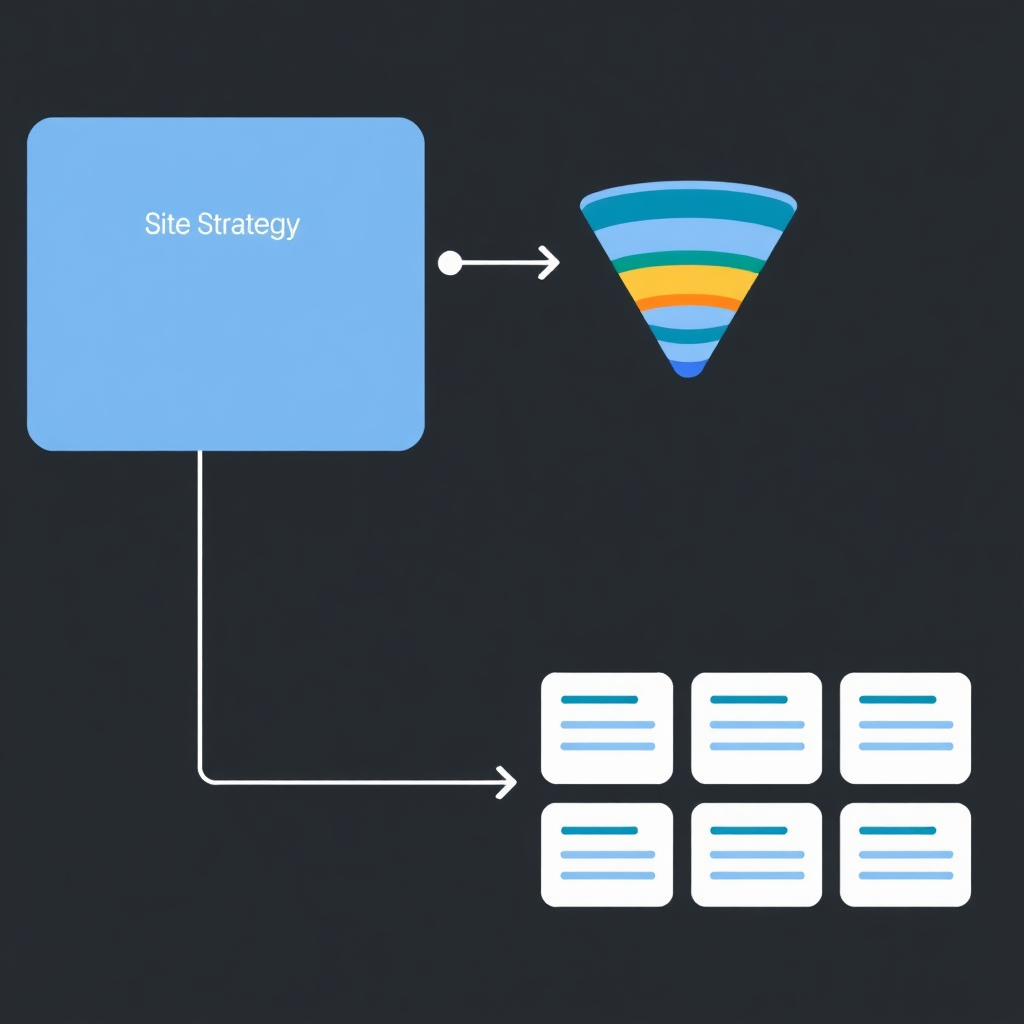
Unified strategy
Explain how strategy informs both website and funnel design.
Clear ownership
Define who owns content, design, and optimization.
Measurable milestones
Set monthly targets for visitors, leads, and booked calls.
engaging topic-based title for Ideal for scaling coaches
A scalable blueprint
Offer a repeatable framework that grows with clients.
Support systems
Highlight automation, templates, and playbooks to scale efficiently.
Proof of scalability
Show case studies of coaches who scaled with your system.
engaging topic-based title for 6. Authority Section (Why You?)
Your credibility in 3 lines
Summarize credentials, niche expertise, and unique value succinctly.
Show depth with examples
Include project examples and client outcomes that prove expertise.
Invite trust through transparency
Share your process, philosophy, and client-first approach.
engaging topic-based title for Instead of “About Me” — do this:
Lead with client outcomes
Show how your work benefits clients before personal history.
Explain your approach
Describe your method and why it works for health coaches.
Invite collaboration
Encourage readers to start with a strategy call to explore fit.
engaging topic-based title for Headline:
Powerful benefit statement
Lead with a concrete result readers can expect.
Support with proof
Follow with a supporting line that references outcomes.
Keep it scannable
Use short lines and large fonts for quick reading.
engaging topic-based title for “Built For Coaches Who Want Growth — Not Just Pretty Design”
Performance over aesthetics
Emphasize outcomes, conversion, and ease of use over looks alone.
Demonstrate practical benefits
Share how the design saves time and accelerates client intake.
Provide tangible proofs
Include client wins and data that support growth claims.
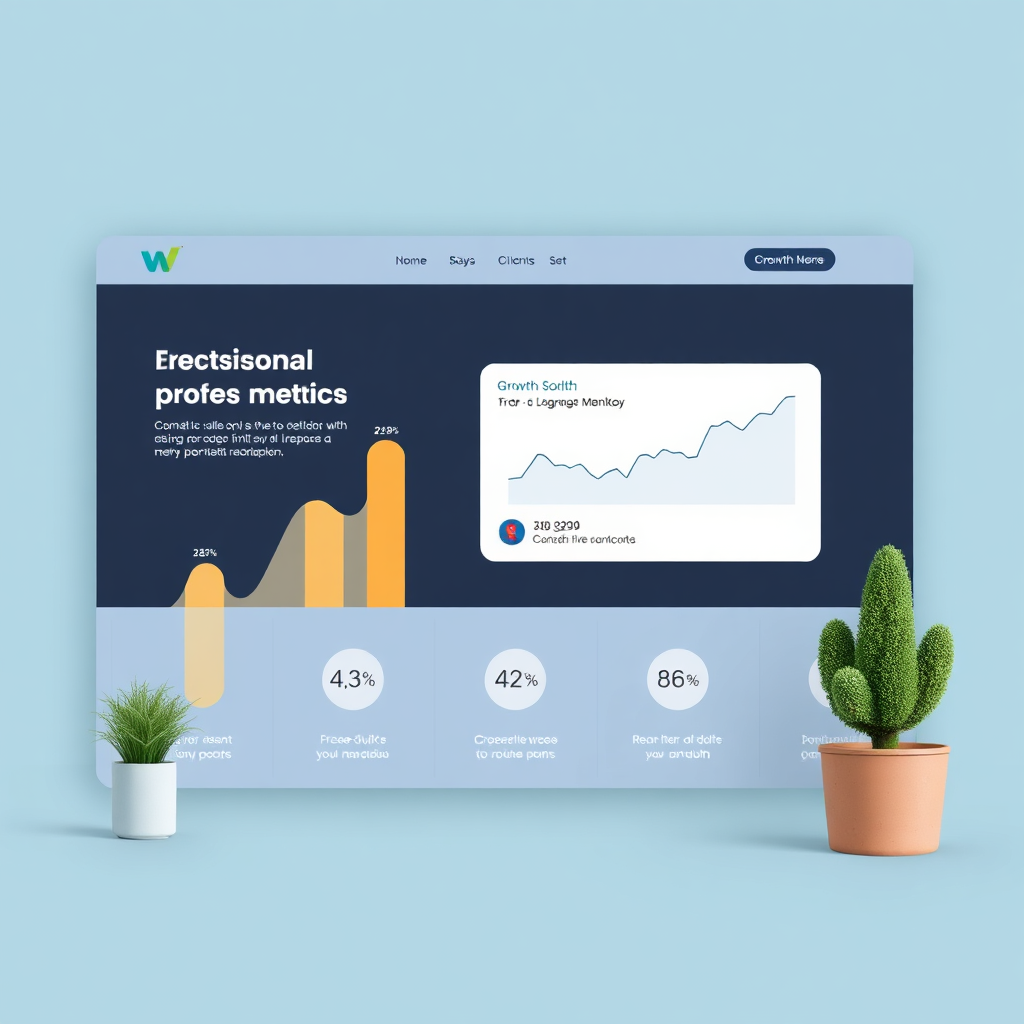
engaging topic-based title for Talk about:
Frame discussions collaboratively
Encourage a two-way conversation rather than monologue marketing.
Address reader concerns
Acknowledge common objections and provide practical rebuttals.
Offer quick wins
Share a small, actionable tip readers can apply now.

engaging topic-based title for Why most coach websites fail
Diagnose common pitfalls
Identify frequent missteps like vague messaging and weak CTAs.
Provide corrective actions
Offer concrete fixes with short implementation steps.
Show expected outcomes
Describe the improvements readers can expect after fixes.
engaging topic-based title for Your understanding of the coaching market
Show market dynamics
Summarize current coach demand, competition, and client needs.
Identify client priorities
Highlight top needs such as visibility, trust, and conversion.
Outline opportunity
Explain where your approach fits and why it matters now.
engaging topic-based title for Your approach to psychology-driven design
Apply psychology principles
Explain how cognitive load, contrast, and social proof impact conversion.
Use client-centric copy
Tailor messages to reader needs and emotions.
Test psychological cues
Experiment with color, spacing, and storytelling to boost trust.
engaging topic-based title for Let them feel understood.
Empathy in copy
Use language that validates reader struggles and aspirations.
Reflect client language
Mirror clients’ own words to increase resonance.
Provide a path forward
Offer clear next steps to move from awareness to action.

engaging topic-based title for 7. Strong Call to Action
Make CTAs decisive
Use strong verbs and specify the next step (e.g., Book Strategy Call).
Reduce hesitation
Provide reassurance like no risk and quick wins.
Test CTAs
Run quick tests on placement and copy to improve performance.

engaging topic-based title for Headline:
Lead with benefit
State a tangible outcome that resonates with health coaches.
Support with credibility
Add a subhead that references years of experience or results.
Make it readable
Ensure typography and spacing aid quick comprehension.

engaging topic-based title for “Ready To Turn Your Website Into Your Best Sales Asset?”
Pose a transformational question
Frame the website as a powerful asset that drives sales.
Highlight the payoff
Describe the revenue or client-growth outcome from a strong site.
Provide an immediate next step
Offer a free strategy call to start the process.

engaging topic-based title for Button:
Make buttons actionable
Use verbs that specify the next action and outcome.
Prioritize clarity over cleverness
Avoid vague wording in favor of direct instruction.
Test button placement
Experiment with position, color, and contrast to improve clicks.
engaging topic-based title for Book Your Free Strategy Call
Offer real value
Promote a strategy session that delivers a quick, useful plan.
Make scheduling effortless
Provide multiple slots and a simple booking flow.
Set expectations
Explain what will be covered and the outcome of the call.

engaging topic-based title for Underneath:
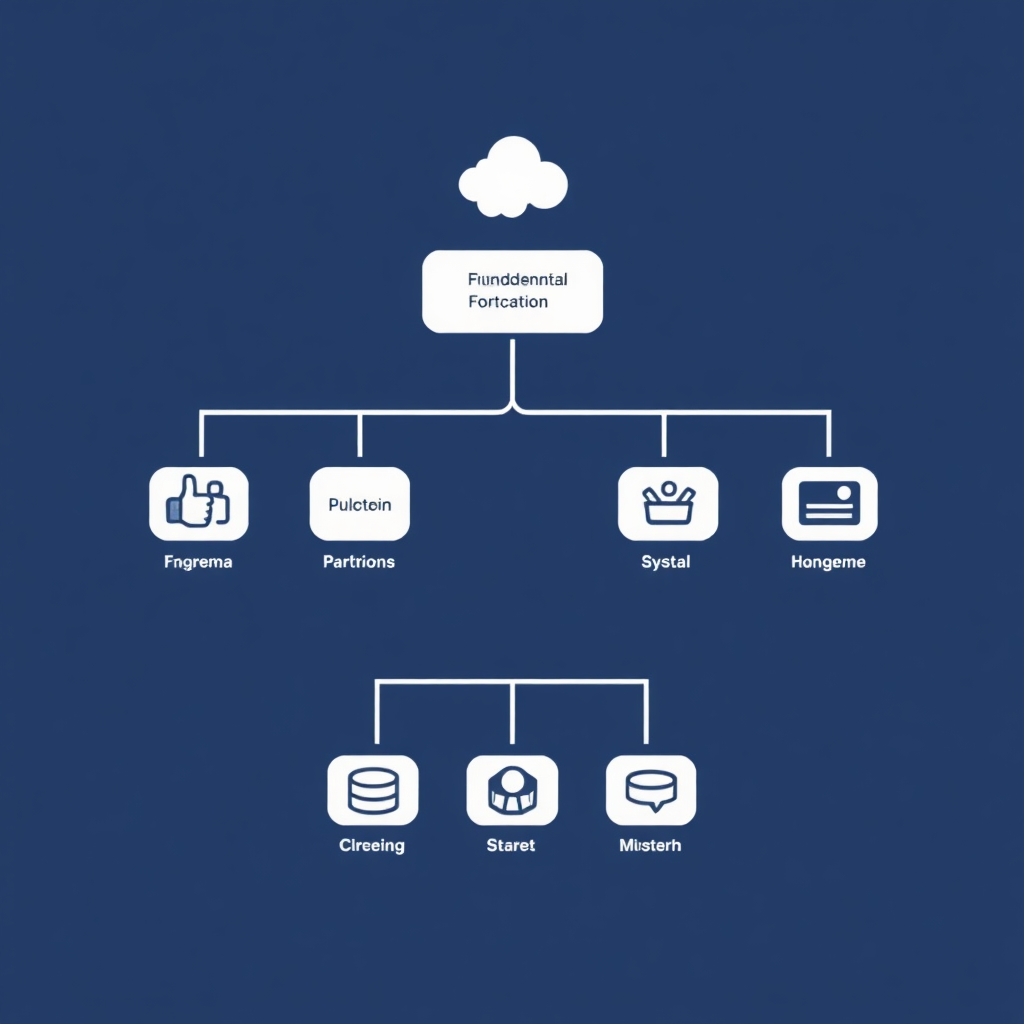
Explain the foundation
Describe the core systems that power growth beneath the surface.
Show how pieces connect
Illustrate how website, funnel, and messaging work together.
Invite exploration
Encourage readers to dive deeper with a strategy call.
engaging topic-based title for “This isn’t a sales call. It’s a growth clarity call.”
Clarify purpose
Emphasize that the call is about clarity and strategy, not pressure.
Outline potential outcomes
List possible growth insights the call could reveal.
Encourage commitment
Prompt readers to reserve a time to gain clarity.

engaging topic-based title for Now…
Prepare readers for action
Encourage momentum by outlining the next concrete step.
Build anticipation
Tease a transformative result readers can expect.
Make it effortless
Offer a quick one-click path to the next step.

engaging topic-based title for Let me challenge you gently.
Be constructive
Offer a gentle, insightful nudge toward a more effective approach.
Provide a practical test
Suggest a small experiment readers can try this week.
Reaffirm support
End with an invitation to collaborate, not critique.

engaging topic-based title for Are you planning to position yourself as:
Clarify positioning options
Present several practitioner archetypes and their outcomes.
Match positioning to client outcomes
Explain how each position impacts client results and pricing.
Encourage a decision
Offer a quick exercise to choose a positioning path.

engaging topic-based title for A web designer?
Define your focus
Explain the unique benefits of design for growth-oriented coaching.
Show business impact
Tie design choices to client acquisition and revenue.
Differentiate from generic designers
Highlight your specialization in health coaching and conversions.

engaging topic-based title for A marketing expert for coaches?
Position as growth partner
Frame marketing as a growth engine rather than a project.
Show coaching outcomes
Present case studies of client acquisition and retention.
Make collaboration clear
Describe how you work with teams and timelines.

engaging topic-based title for Or a growth partner for health coaches?
Demonstrate ongoing impact
Provide examples of long-term engagement and results.
Illustrate partnership processes
Show how you coordinate with clients, from strategy to execution.
Offer a clear first step
Suggest a strategy session to explore fit.
engaging topic-based title for Because the positioning choice determines your pricing power.
Link positioning to value
Explain how being clear about who you serve affects pricing power.
Show market fit
Provide evidence of demand and client willingness to pay.
Encourage confident pricing
Offer a framework for setting premium, mid, or entry pricing.